Used roasters can reduce the cost of bringing production in-house, but condition, service, installation and compliance costs determine the real price.
A used coffee roaster can make in-house production financially possible for a smaller roastery or café. The purchase price, though, tells only part of the story. A machine’s condition, access to replacement parts, installation needs and ongoing service can determine whether the lower upfront cost holds up over time.
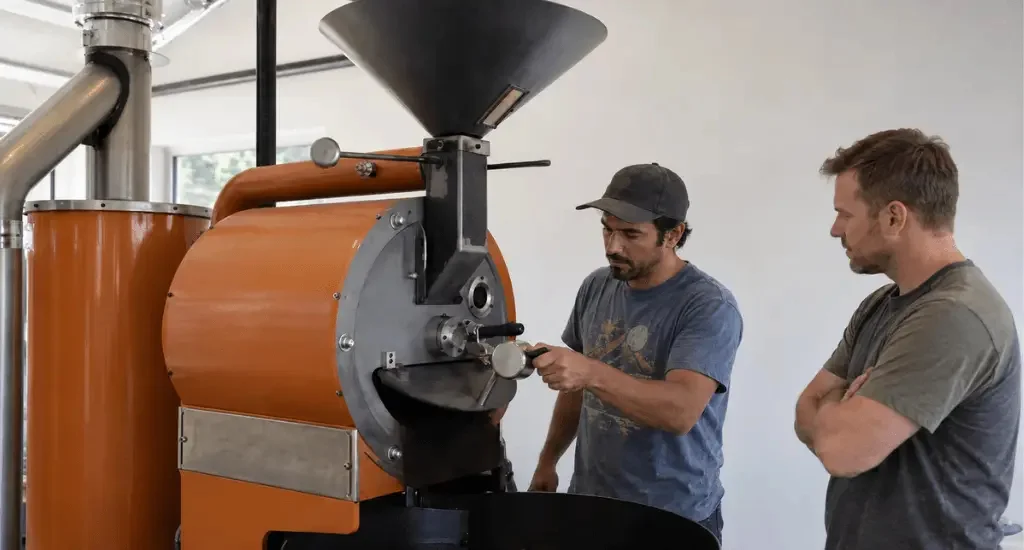
Image courtesy of CoffeeTec.
That trade-off is sharper than it is with new equipment. New machines generally come with a warranty and manufacturer support; used machines may not. Buyers need to establish what they’re getting, what it will take to operate, and who can help if something goes wrong. The market data from CoffeeTec, which tracked transactions from September 2025 through August 2026, suggests buyers are finding machines throughout the year. It also shows a notable rise in sales compared with the same months a year earlier.
Start with the machine’s condition
Ask for maintenance records before getting deep into negotiations. A documented service history gives a buyer a clearer account of how the roaster has been cared for and can help identify recurring issues. Then arrange an independent inspection. A technician with no stake in the sale can assess the machine’s state and spot problems that may not be apparent in photos or a seller’s description.
Look closely for rust, cracks in the drum or outer casing, and signs of heavy wear. Some components can be replaced; a serious structural defect may make a machine a poor candidate altogether. Ask whether you can see the roaster operating, ideally during a test roast. If an in-person demonstration isn’t possible, request video showing it running and ask the seller to explain any limitations.
Age deserves context. A roaster’s year of manufacture alone doesn’t establish how much useful life remains: parts may be replaceable, while a younger machine with poor maintenance could still carry significant risk. For older or discontinued models, check whether manuals and parts are available and whether technicians familiar with the brand can service it.
Price the full installation
The sale price can obscure the cost of getting a roaster into production. Freight, rigging and access to the site all matter. Before committing, check measurements for doorways and other tight passages, and establish what moving the machine will require. Gas connections, ventilation and any necessary installation work should be part of the budget from the start.
Emissions and electrical requirements can create further costs, particularly with older equipment. Ask what updates the machine may need for the intended installation, and confirm those requirements with qualified local professionals before buying. An afterburner or other compliance work can change the economics of a deal that initially looks attractive.
Also settle the service question: who will install the roaster, and who can repair it afterward? Buyers should be realistic about their own mechanical skills and the time they can devote to maintenance. A machine that is affordable only if the owner handles every repair may not be a practical fit for every operation.
Choose capacity for current production
Capacity is another place where buyers can misjudge the purchase. A roaster that’s too small can constrain production, while an oversized machine means paying for capacity the business may not use. The practical starting point is current roasting volume and operating needs, rather than a hoped-for level of future growth.
That calculation should include more than batch size. Consider how often the roaster will run and whether its output fits the business’s production schedule. Before deciding, compare the capacity on offer with the amount of coffee the operation needs to roast now. Buying to meet present demand keeps the decision grounded in the business the buyer actually has.
Prospective buyers often frame the decision as a question of savings against risk: What would the same machine cost new? How does its resale value compare with other brands? And how much might maintenance, parts and installation add over the time it’s in service? The answers help put the discount in context. A lower price is useful only if the total cost and support requirements fit the operation.
What the marketplace data shows
Across CoffeeTec’s marketplace from September 2025 to August 2026, 65 roaster units sold across 59 listings. The marketplace recorded 503 total items ordered. June had the highest monthly figure, at 60 items, followed by September at 59. Activity remained healthy in the slower months, suggesting buyers shouldn’t assume that worthwhile used equipment appears only during a specific buying season.
Most sales fell into the under-$50,000 range. The mid-priced category, from $10,000 to under $50,000, and the budget category, under $10,000, accounted for nearly all roaster volume. Only one machine sold in the industrial tier at $100,000 or more: a 45-kilogram Probat priced at $145,000.
Sales also increased sharply in the first eight months of 2026 compared with the same period in 2025. Roaster units sold rose from six to 44. Across the store, items ordered increased 80%, while completed checkouts climbed 94%. Growth appeared across every weight class. The largest shift was among medium roasters, defined as 5 kilograms to under 20 kilograms: sales went from zero units in January through August 2025 to 16 in the corresponding period of 2026.
A disciplined purchase process
The figures describe activity on one marketplace, but they offer a useful reminder: interested buyers may have to move promptly when a suitable machine appears. Speed should come after basic diligence. Request maintenance records first, arrange an independent inspection before committing, and estimate freight, installation and compliance costs before treating the asking price as the project budget.
Buyers should also verify the seller’s claims about parts, manuals and service, then confirm that the machine can be installed at the intended site. A live demonstration or clear video helps establish that the roaster operates as described, while an independent technician can flag faults that call for a closer look. If an inspection turns up a serious defect, the lower purchase price may not compensate for the cost or uncertainty involved.
Used equipment can widen access to commercial roasting capacity, particularly for smaller businesses making their first move into production. The soundest deals will be the ones where the machine’s history, condition and installation requirements are clear before money changes hands. As sales data accumulates and buyers share more experience, that information can help the next operator judge a used roaster on its likely total cost and fit for the business.


Discussion
Sign in to join the discussion.