Discover a simple, vegan recipe for rosemary onion beer bread, perfect for accompaniment with meals or as a snack.
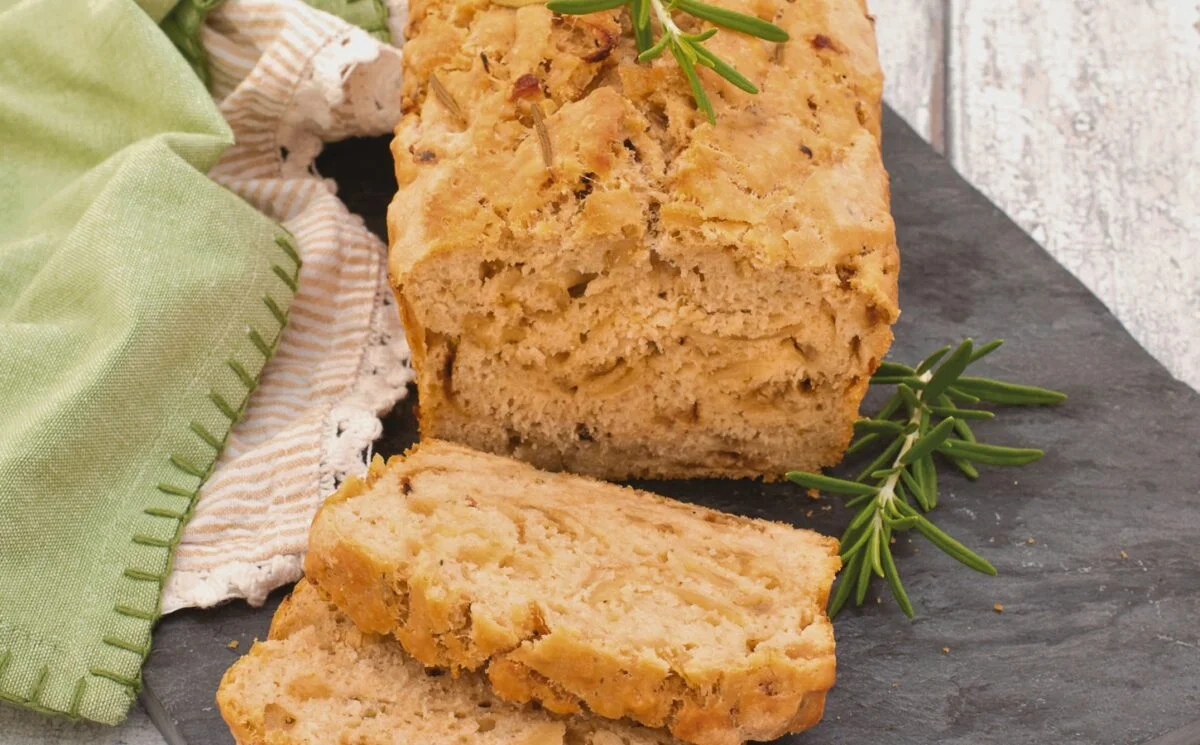
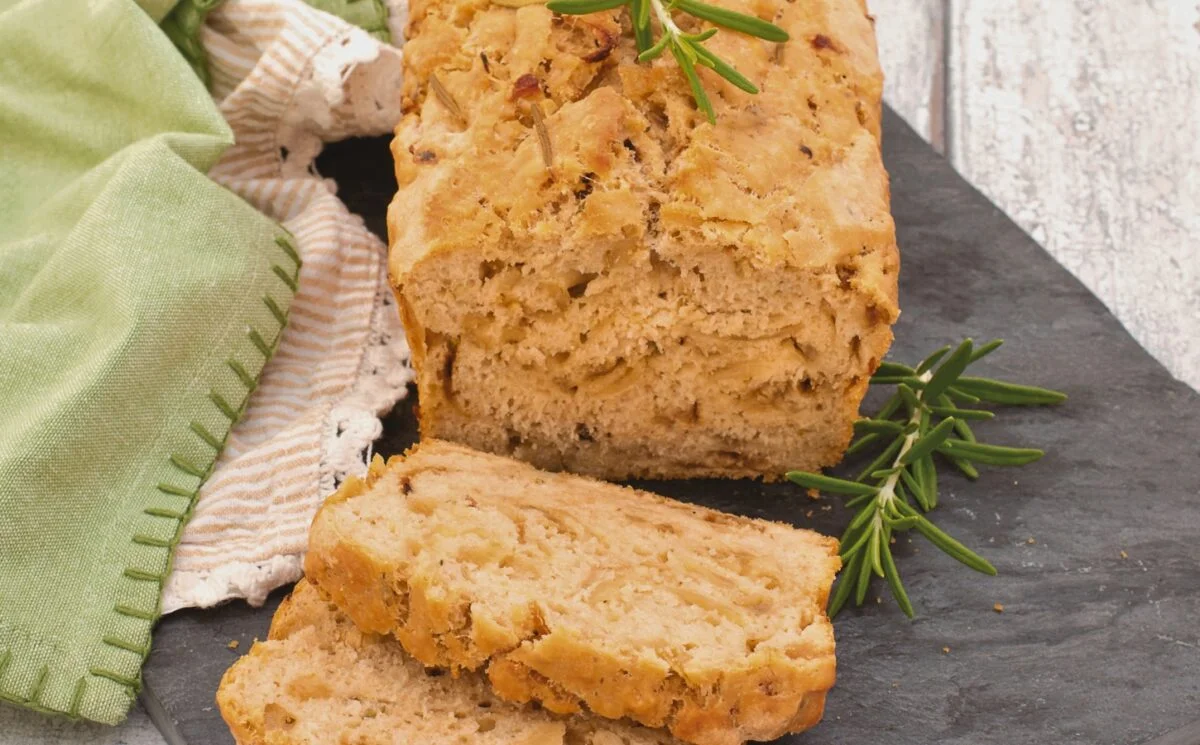
This delightful rosemary onion beer bread showcases the perfect marriage of flavors with a quick baking process that requires no yeast and no kneading. The use of beer in the recipe not only aids in rising but also contributes to a soft, airy texture. The rich flavors from caramelized onions, minced garlic, fresh rosemary, and a hint of black pepper make this bread a savory treat that stands well on its own.
The Simple Yet Flavorful Process
The beauty of this recipe lies in its simplicity. As detailed in Vegan Comfort Cooking by Melanie McDonald, the most time-consuming part of making this bread is caramelizing the onions. This step is essential for achieving the rich, sweet flavor that characterizes the bread. The process transforms the sharpness of raw onions into a mellower, more complex taste that's fundamental to the overall profile of the bread. Once they’re golden and fragrant, the remaining ingredients come together in a flash. Mixing the batter just until combined is key; it respects the integrity of the flour without overworking the gluten, which can lead to a denser loaf. That’s a detail that many amateur bakers might overlook, but it’s pivotal for creating that light, airy texture.
Read more: Seedy Wholemeal Soda Bread
Ways to Enjoy Your Beer Bread
Warm, this rosemary onion beer bread pairs beautifully with vegan butter or can be enhanced even further by adding vegan cheese on top before baking. Think about it: the creamy richness of melted cheese mingling with the savory elements of the bread. That combination can elevate your meal into something special. Its flavor profile complements a variety of dishes, making it an excellent choice for soups, stews, lunch boxes, casual appetizers, or as part of a vegan cheese board. Here’s the thing: this bread isn’t just an accompaniment—it can easily take center stage at any meal. Consider making an extra loaf; uncut bread freezes well for up to two months, ensuring you’ll always have a delicious accompaniment on hand. Just remember to wrap it tightly to avoid freezer burn. (And this is the part most people overlook.)
Quick Recipe Overview
Ingredients
- 2 tsp olive oil or water
- 1 medium onion, sliced
- 2 tbsp sugar (divided)
- 2 tbsp melted vegan butter (optional)
- 3 cups all-purpose flour
- 3 cloves garlic, finely chopped
- 1½ tsp finely chopped fresh rosemary
- 1 tsp salt
- 1 tbsp baking powder
- ¼ tsp freshly ground black pepper
- 12 oz beer or ale
Instructions
- Heat olive oil or water in a skillet over medium heat. Add the onion and 1 tbsp of sugar; cook until caramelized.
- Preheat your oven to 375°F (190°C) and prepare a loaf pan.
- In a bowl, mix remaining sugar, flour, garlic, rosemary, salt, baking powder, and pepper. Add the cooled onion and beer; stir gently to combine.
- Transfer batter to prepared pan, drizzle with optional melted butter, and bake for 40-45 minutes until a toothpick comes out clean.
- Cool on a rack and enjoy warm or at room temperature.
Implications and Future Outlook
This recipe for rosemary onion beer bread exemplifies a broader shift toward plant-based cooking that emphasizes simplicity without sacrificing flavor. As consumers increasingly seek healthier, more sustainable options, recipes like this can play a vital role in encouraging a more plant-forward approach to daily meals. If you’re working in this space—be it as a professional chef, a home cook, or even a food content creator—this trend is undeniable. Beyond the individual ingredients, the use of beer not only enhances the flavor but also speaks to the creativity in cooking. It prompts a reevaluation of how traditional recipes can be reinterpreted to fit modern dietary preferences. The significance here is clear; you don’t need to sacrifice taste for dietary choices. In fact, sometimes the two go hand in hand.
As people continue to explore plant-based diets, the demand for quick and flavorful recipes will likely rise. This could lead to further innovations in the realm of baking, pushing the boundaries of what can be achieved without dairy or animal products. The future of cooking appears to be shifting more toward inclusivity and creativity—an encouraging development for both chefs and food enthusiasts alike.
PBN runs a sponsored content model. To explore how you can get featured, please email [email protected] or visit everkinddigital.com
This article was written by Melanie McDonald on the PBN Website.

Discussion
Sign in to join the discussion.