Josuma co-founder Joseph John championed Indian coffee, developed Malabar Gold Espresso and taught the industry about espresso science.
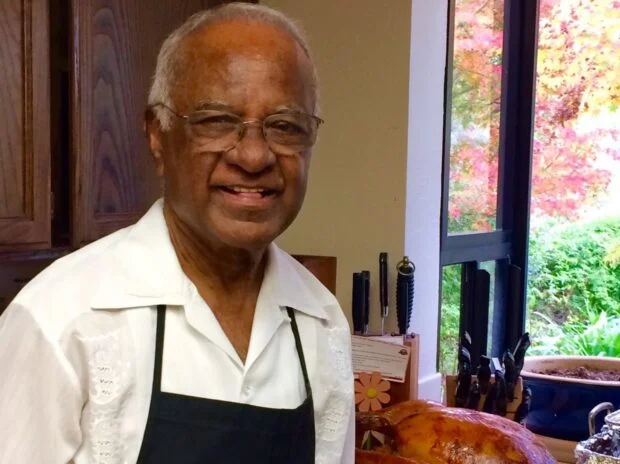
Joseph John helped change how U.S. specialty coffee professionals viewed Indian beans. Through Josuma Coffee Company, his espresso blend and years of teaching, he made Indian coffee a more visible presence in the American market. John died Sept. 15 at 88. His career connected work that’s often treated separately: sourcing, roasting, education and the presentation of coffee’s origins. That combination gave him a way to influence both what roasters bought and how they thought about the coffees they were buying.
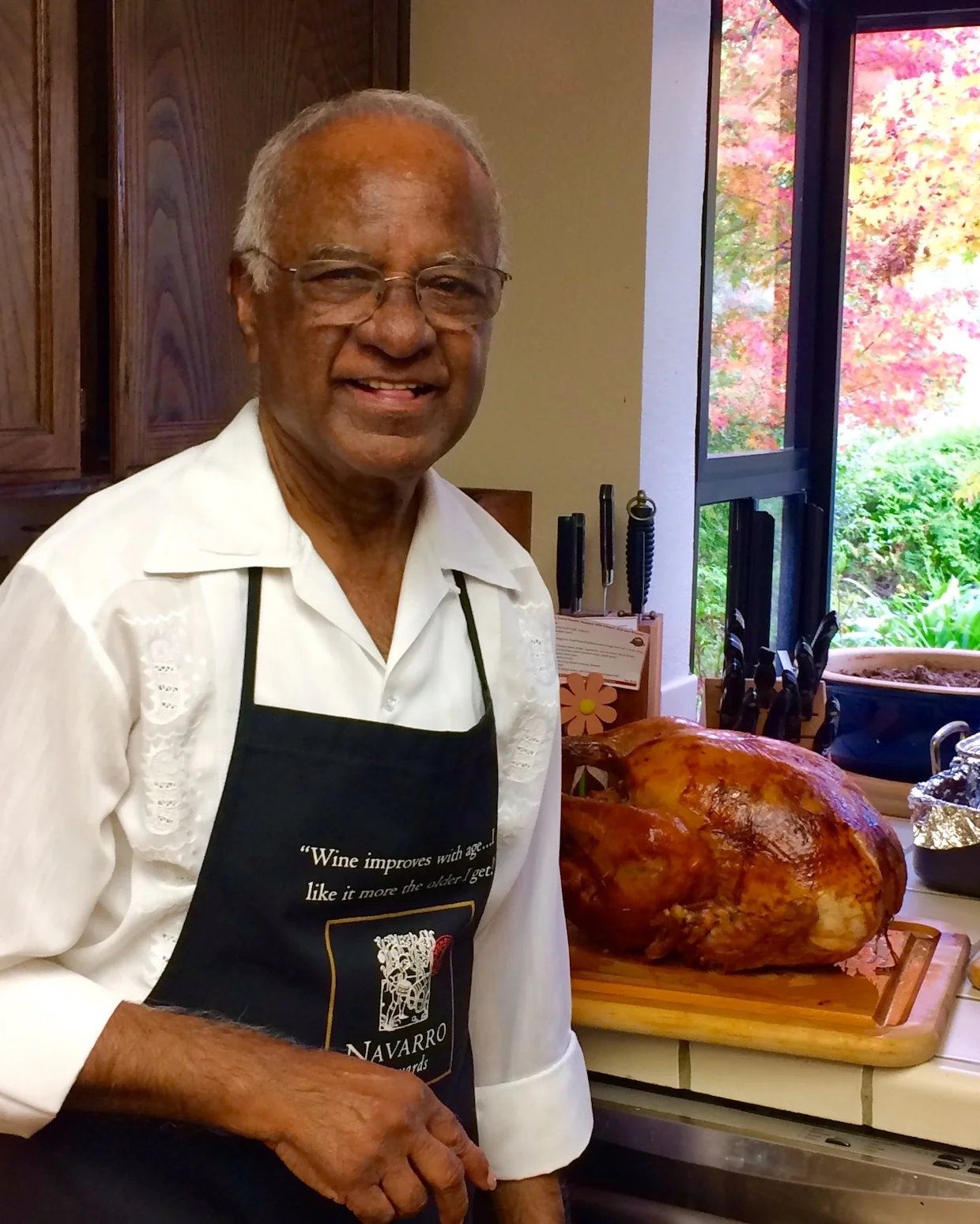
Dr. Joseph John. Photo courtesy of the John family.
Building a market for Indian coffee
John and his wife, Urmila, founded Josuma Coffee Company in the San Francisco Bay Area in 1992. Their focus was direct relationships with Indian coffee estates and sourcing beans that could meet specialty roasters’ quality standards. That model put John between growers and a U.S. trade that needed reasons to take Indian coffee seriously as a specialty product. John also worked with growers and the Coffee Board of India to raise quality and strengthen Indian coffee’s profile in the United States. In practical terms, the work joined quality improvement at origin with the difficult task of finding buyers willing to reconsider familiar expectations.
The business began by chance. An acquaintance connected to an Indian coffee estate asked John to help find American buyers. “It was not by design. It was really just sheer accident,” he recalled in a 2012 interview with Fresh Cup. That accidental beginning became a sustained effort to make a market: coffee needs more than a willing seller to gain a place in a specialty roaster’s lineup. Buyers also need to understand what a coffee can contribute, and producers need a path to customers who value the work behind it.
John’s work soon extended beyond sourcing. In 1996, he created Malabar Gold Espresso to show how Indian coffees could perform in premium espresso blends. It became Josuma’s flagship roasted coffee. The blend gave roasters a concrete example to taste and discuss, rather than asking them to accept an abstract case for Indian beans. He also argued for including high-quality robusta in espresso, pushing against common assumptions among American specialty coffee professionals. That was a pointed challenge to a category in which robusta could be dismissed before its quality or role in a blend was considered. This is more significant than it looks: changing a market’s view often starts with changing what professionals think they can put in the cup.
Barth Anderson, co-founder of Barrington Coffee Roasting Company, credited John with introducing him to Indian specialty coffee in 1996. In a 2018 account, Anderson described John’s influence on both U.S. roasters and Indian producers. That kind of influence isn’t measured only in sales; it also travels through the people who learn to source, roast and talk about a coffee differently. Anderson’s account places John’s work in that longer chain of exchange. The market didn’t change through one blend alone.
From nuclear physics to coffee education
Born in 1938 in Madurai, Tamil Nadu, John studied physics before joining India’s atomic energy program in 1958, aged 20. He moved to the United States in 1964 and earned a doctorate in nuclear physics from Florida State University in 1968. He met Urmila there; they married in 1967 and became parents in 1972. The sequence spans distinct phases of his life, from scientific study and public service to a business built around coffee. His path doesn’t suggest that coffee was a planned destination. It does help explain why he later approached the subject with an interest in mechanisms, variables and clear explanation.
After working for Gulf General Atomic, a predecessor of today’s General Atomics, in San Diego, John moved into business and consulting in the Bay Area. His scientific background later informed his public teaching on coffee and espresso. Espresso is a technical subject as well as a sensory one: extraction depends on how coffee is prepared, and a blend reflects choices about how its components work together. John’s background offered a natural framework for explaining those questions to an industry audience. If you’re working in this space, that mix of technical detail and practical guidance is familiar: knowledge matters most when it helps someone make a better decision at the roaster or machine.
From the early 2000s, John wrote about espresso extraction and blending and lectured at Coffee Fest and other industry events. One of his classes was titled “Espresso and Coffee: More Different Than You Think.” The title points to a useful distinction: espresso isn’t simply a bean category, but a preparation and a set of choices about how coffee should taste and perform. His writing included a two-part article on espresso blending in Roast magazine in 2008. In 2023, he published Creating a Perfect Espresso, collecting much of his teaching and writing. A book can preserve the reasoning behind a craft, while a class lets an instructor respond to the questions people bring with them. John worked in both formats.
A family business continues
John retired in 2017, but stayed connected to coffee education. Josuma became an early supporter of the UC Davis Coffee Center in 2018, and a conference room there now carries the company’s name. That connection gives the company’s involvement in education a lasting, visible place. It also fits the pattern of John’s career: the work extended from coffee itself to the institutions and conversations that help professionals understand it.
Josuma remains family-owned and operated under the management of John’s son, Melind, and daughter-in-law, Steph. John is survived by Urmila, Melind and Steph. The company’s continuity matters because its original work depended on relationships built over time, from estate connections to conversations with roasters. A family business can carry those relationships forward, though the next generation will shape how they develop. The inheritance is both commercial and educational. And the work of making Indian coffee legible to new buyers continues.
What his work leaves behind
John’s career offers a useful view of how an origin gains recognition in a specialty market. Sourcing alone can’t do all the work; producers need quality standards, buyers need a reason to pay attention, and the resulting coffee needs to make sense in a roaster’s hands. John’s efforts touched each of those points, while his writing and teaching gave professionals language for discussing espresso and blending. (And this is the part most people overlook.) Education wasn’t an accessory to the business; it helped explain why the products and sourcing relationships deserved consideration.
That doesn’t mean one person can settle how an industry values an origin. Markets change through many decisions, and a single company can only show one route through them. But John gave U.S. roasters a way to encounter Indian coffee through a product, a relationship and an argument about quality. For Indian producers, that kind of advocacy can help create attention; for roasters, it can broaden the range of coffees they’re prepared to evaluate. A starting point, and a lasting one.


Discussion
Sign in to join the discussion.