Explore seven plant-based recipes that put sesame to work in crisp vegetables, cold noodles, baked tofu, curry and marbled matcha cookies.
Sesame can anchor a weeknight dinner or take a dessert in a more earthy direction. Across these seven vegan recipes, it appears as toasted seeds, sesame oil and black sesame butter, bringing depth to crisp vegetables, noodles, tofu and cookies. Each form behaves a little differently: seeds add crunch, oil carries a deep toasted aroma, and black sesame butter gives baked goods a concentrated, earthy flavor.
The range is the point. Ginger, soy sauce and vinegar make sesame work in savory dishes, while matcha draws out its nutty side. Here's the thing: sesame can tie together sweet, salty, sharp and hot flavors without demanding that it dominate the dish. If you're looking for ways to use one pantry staple across a whole menu, these recipes offer a practical place to start.
Read more: 10 Vegan Recipes With Classic Savory Flavor Combinations
Sweet, crisp vegetables with sesame
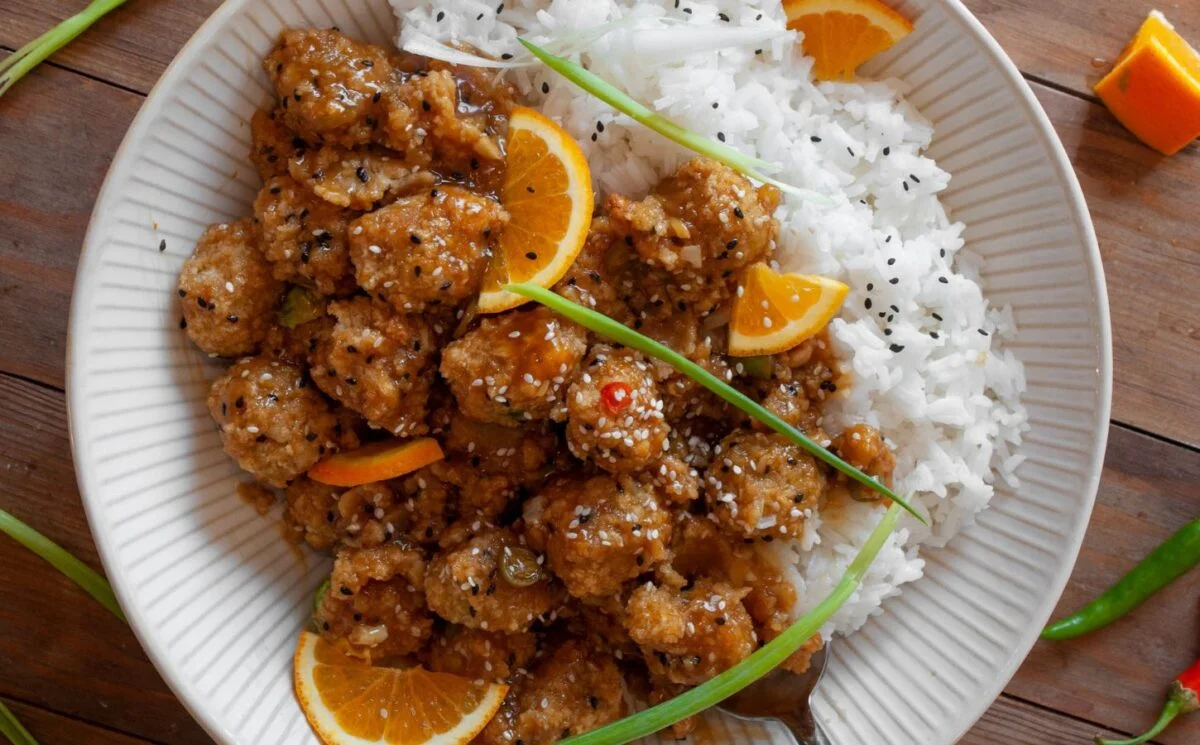
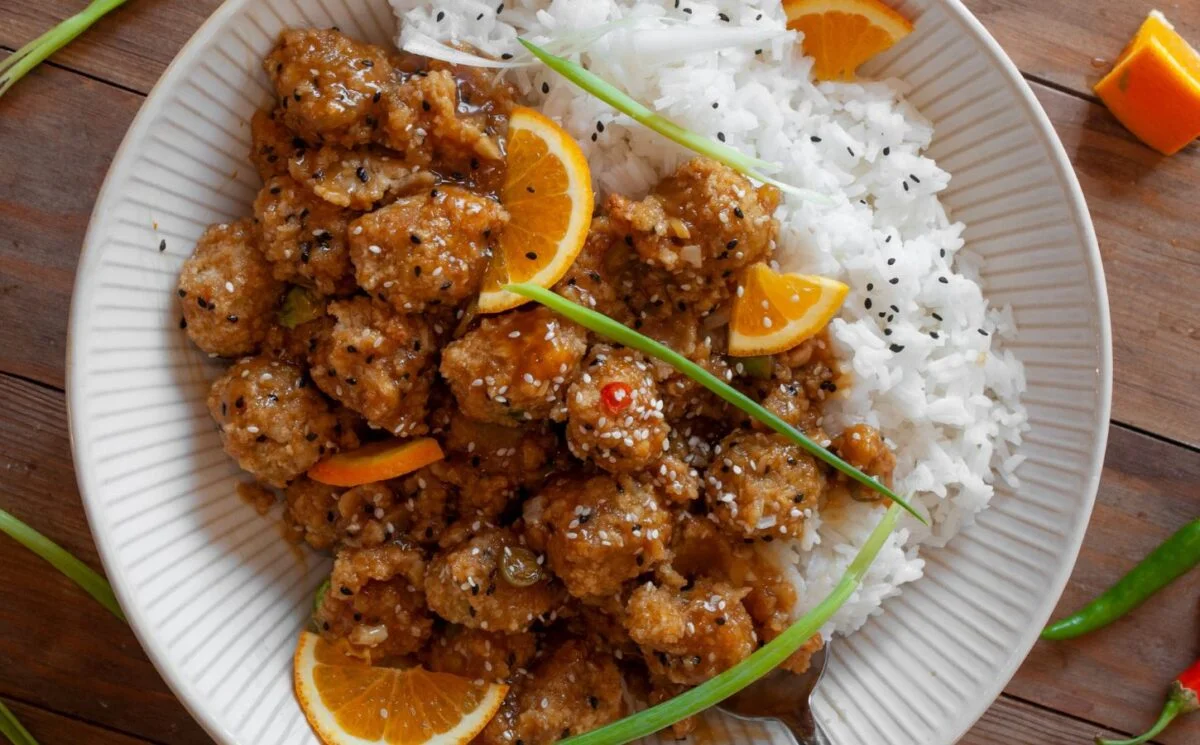
Lauren Hartmann’s crispy orange Brussels sprouts borrow the sweet-savory profile of orange chicken. Batter and panko give the sprouts a crisp coating, setting up a contrast with the sticky glaze rather than letting the vegetable soften into it. Soy sauce, garlic, ginger, agave and sesame seeds bring salt, sweetness and tang; the sesame adds a toasted note that helps keep the glaze from tasting one-dimensional.
Find the recipe here.
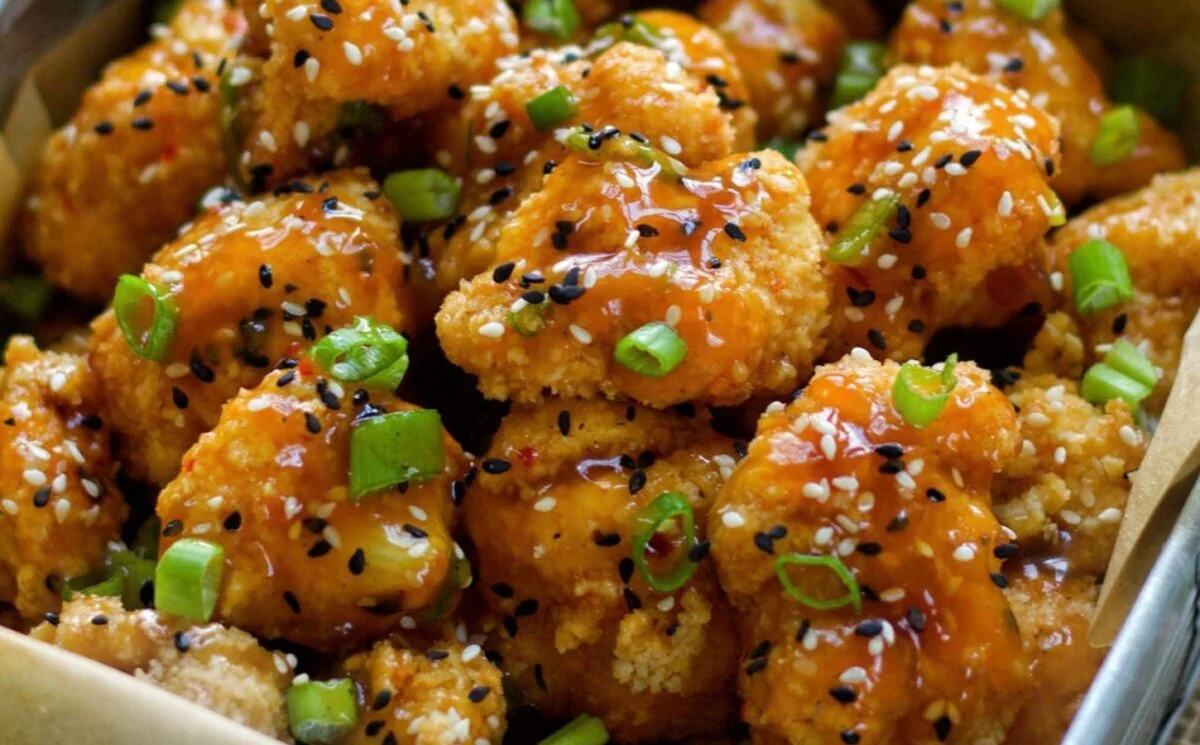
For a spicier take, Plantifully Based coats cauliflower in chickpea flour batter and breadcrumbs. The sticky sauce layers soy sauce, rice vinegar, maple syrup and sesame oil with ginger and red pepper flakes. That combination gives the cauliflower both a crisp exterior and a sharp, sweet coating, with heat that can be balanced by serving it alongside plain rice. This is more significant than it looks: a familiar wing-style format makes a vegetable the centre of the plate, while the sauce supplies much of the dish’s character.
Find the recipe here.
Quick meals built around sesame and ginger
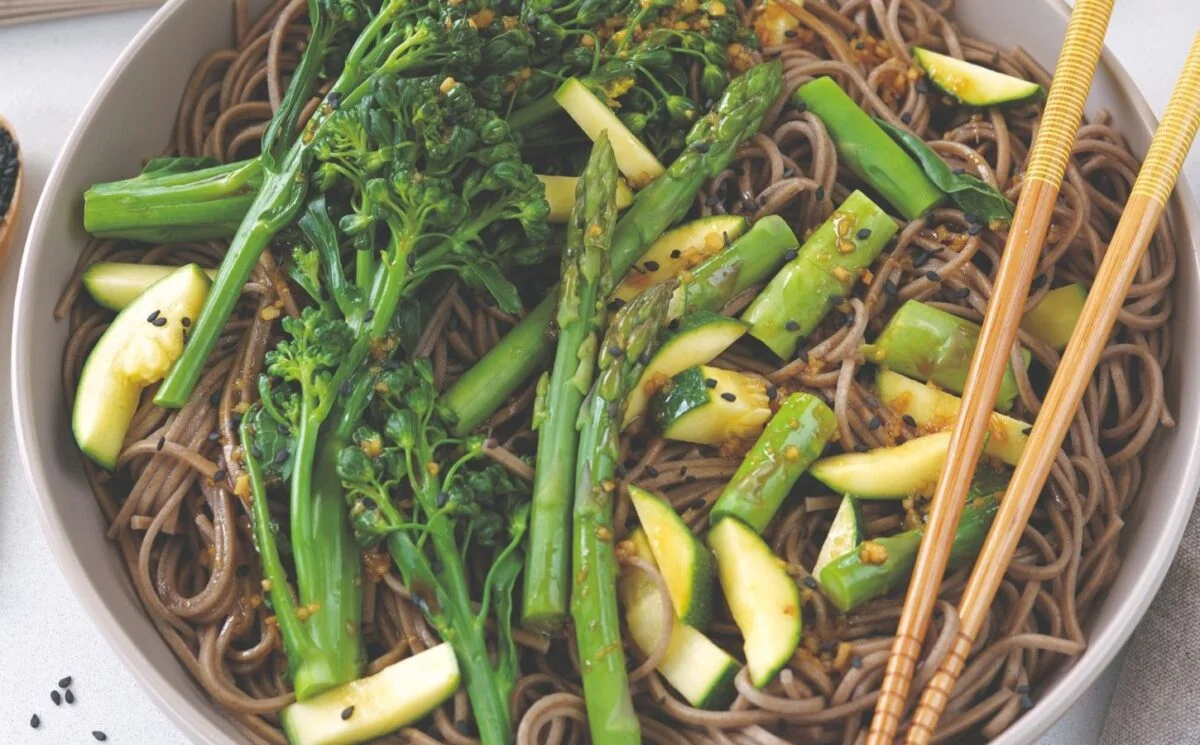
Kiki Nelson’s cold soba bowl pairs zucchini, asparagus and broccolini with a sesame-ginger dressing. Soy sauce, rice vinegar, maple syrup, garlic and toasted sesame oil pull the vegetables and noodles together in about 20 minutes. Served cold, the dish puts the dressing in a more prominent role than it might have in a hot stir-fry: its acidity and sesame aroma coat the noodles and vegetables directly, while the greens bring texture to each bite.
Find the recipe here.
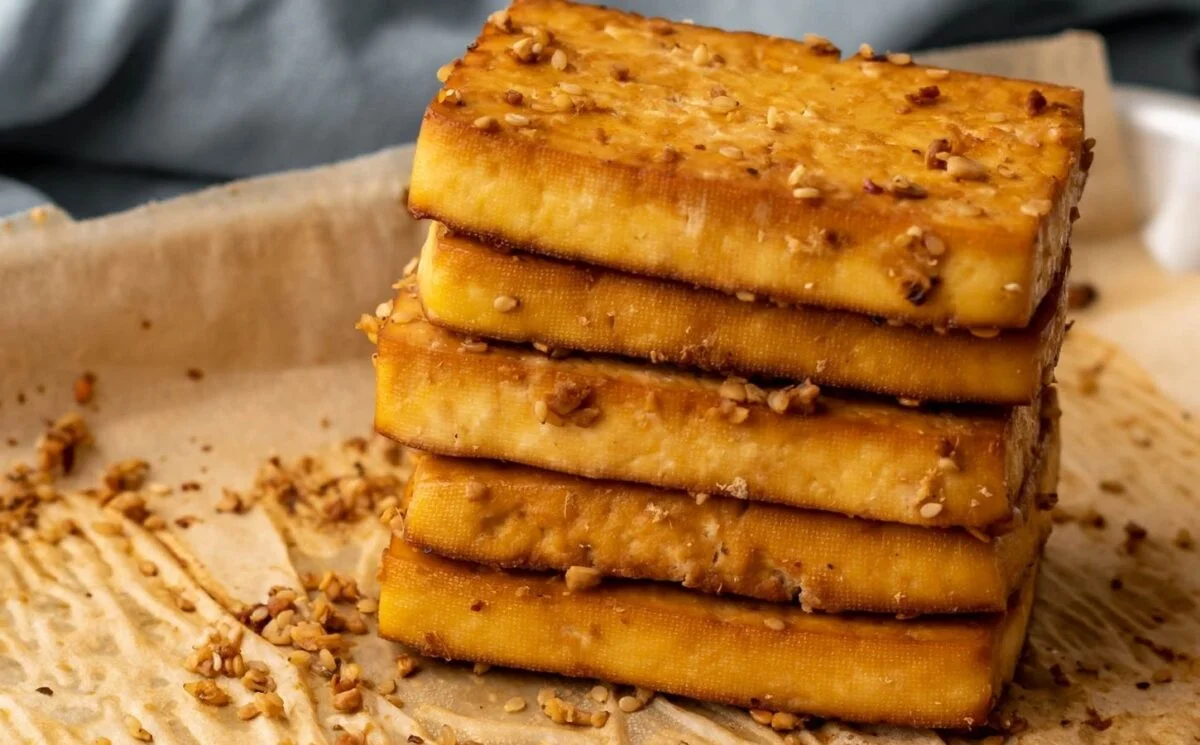
Molly Patrick of Clean Food Dirty Girl marinates tofu in soy sauce, brown rice vinegar, garlic, fresh ginger, coconut aminos, sesame seeds and black pepper. The oil-free slabs bake until browned and firm, ready for wraps, salads or stir-fries. Marinating gives the tofu time to take on the seasonings, while baking creates a texture that can hold up when added to another dish. That versatility makes it useful for meal planning: prepare the slabs once, then build different meals around them.
Find the recipe here.
Read more: 9 Vegan Ginger Recipes With Sweet And Savory Flavor
Cool sides and a nutty curry
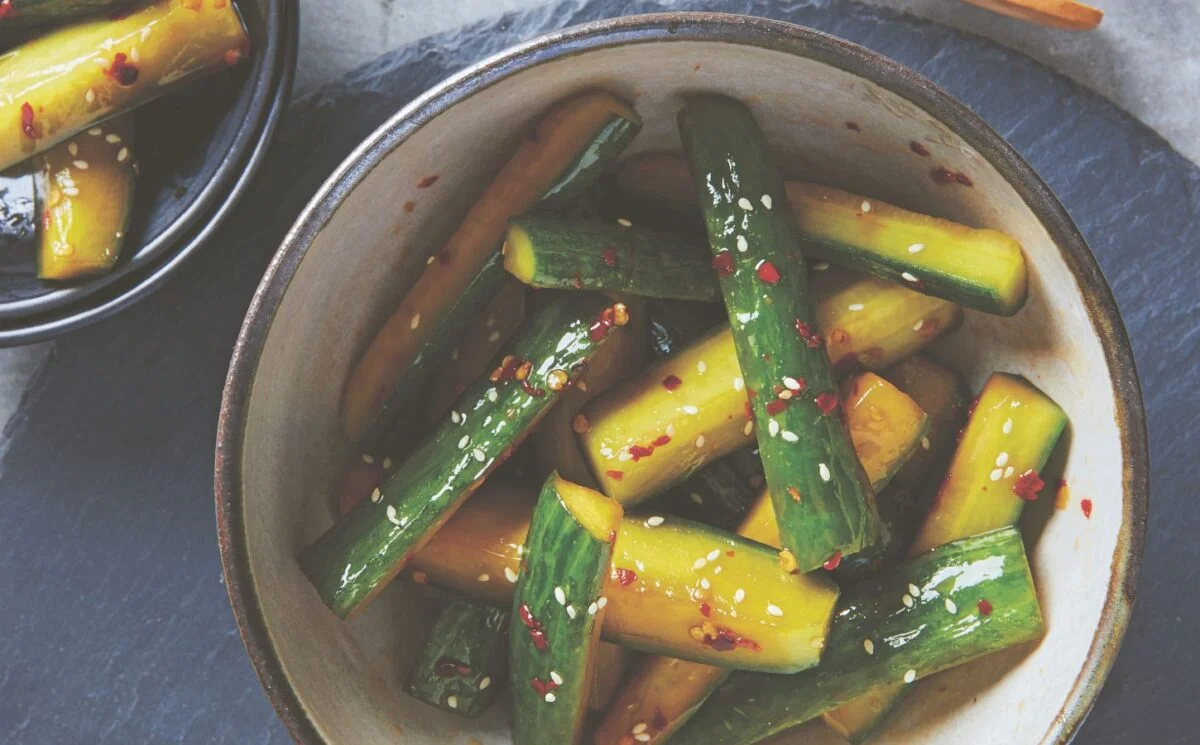
Jody Eddy’s pickled sesame cucumbers make a crisp, chilled side. Soy sauce, rice vinegar, toasted sesame oil and brown sugar season the cucumbers; red pepper flakes add optional heat, and sesame seeds finish each serving. The mix of vinegar and sugar gives the side a sweet-sour edge, while the cucumber keeps the meal light and crunchy. It can also provide a useful counterpoint to richer or hotter dishes on the same table (and this is the part most people overlook): a side dish can shape how the rest of a meal tastes.
Find the recipe here.

Saskia Sidey’s aubergine curry gets its character from a paste of peanuts, sesame seeds, garlic, coriander, brown sugar and curry powder. Roasting the coated aubergines lets that nutty mixture settle into the dish, which is designed to come together in 20 minutes. The paste takes sesame in a different direction from the lighter dressings elsewhere in this list: paired with peanuts and curry powder, it becomes part of a dense, savory coating. Lime adds a bright finish, as the image description suggests, helping balance those deeper flavors.
Find the recipe here.
Sesame in a sweet, earthy cookie
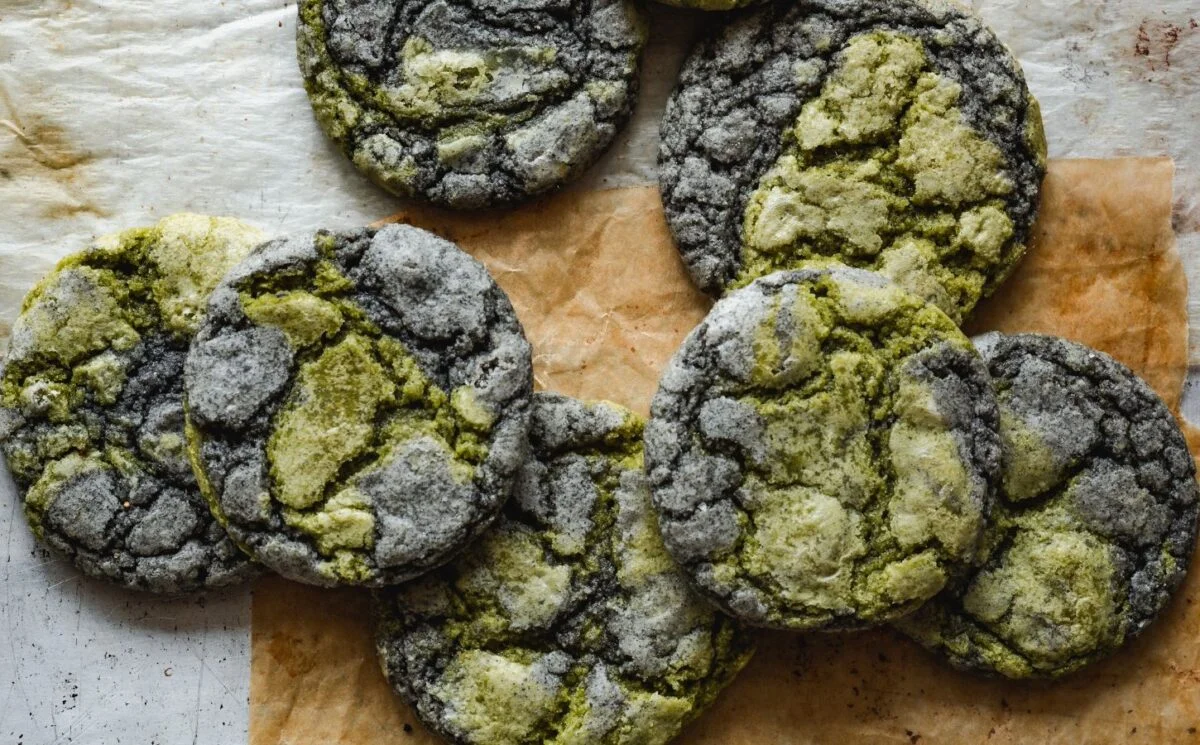
Ana Rusu’s matcha and black sesame cookies split the dough between two flavors: matcha in one half, black sesame butter in the other. Twisting them together creates a marbled cookie with crisp edges, a soft center and an earthy, nutty finish. It’s a reminder that sesame has a place well beyond the savory pantry. Matcha’s grassy character gives the black sesame a clear partner, and the marbling makes that pairing visible as well as flavorful. A small shift in form, with a different role for the same seed.
Find the recipe here.
What sesame brings to the menu
Across these recipes, sesame moves from garnish to seasoning to a central ingredient. Toasted seeds add a final crunch, sesame oil carries flavor through sauces, and black sesame butter changes the character of cookie dough. The distinction matters: choosing the right form can shape a dish as much as choosing between sweet, sharp or spicy seasonings.
There’s no single formula here. Sesame works alongside vinegar and ginger in quick noodles, brings toasted depth to crisp vegetables, and pairs with matcha in dessert. If you're working in this space, the useful idea is how readily one ingredient can shift roles across a menu. For home cooks, that means a familiar pantry item can support very different meals. And yet. The recipes still depend on balance: sesame has to sit alongside the other flavors, not simply pile on top of them.

Discussion
Sign in to join the discussion.