These nine plant-based fall dishes pair seasonal produce with warming spices, from miso squash risotto to apple crisp and butter bean bowls.
Fall cooking built around versatile staples
Fall ingredients earn their place in the kitchen when they can do more than one job. Squash can turn a weeknight dinner creamy and filling; apples can bring sweetness to a savory rice dish as easily as they can anchor dessert; and beans and lentils give a bowl enough substance to stand on its own. These nine plant-based recipes put those ingredients to work across weeknight meals, a dinner centerpiece and a warm finish. The mix also offers different levels of effort and familiarity, from a quick curry to pastry wrapped around a hearty filling.
Squash in three different roles
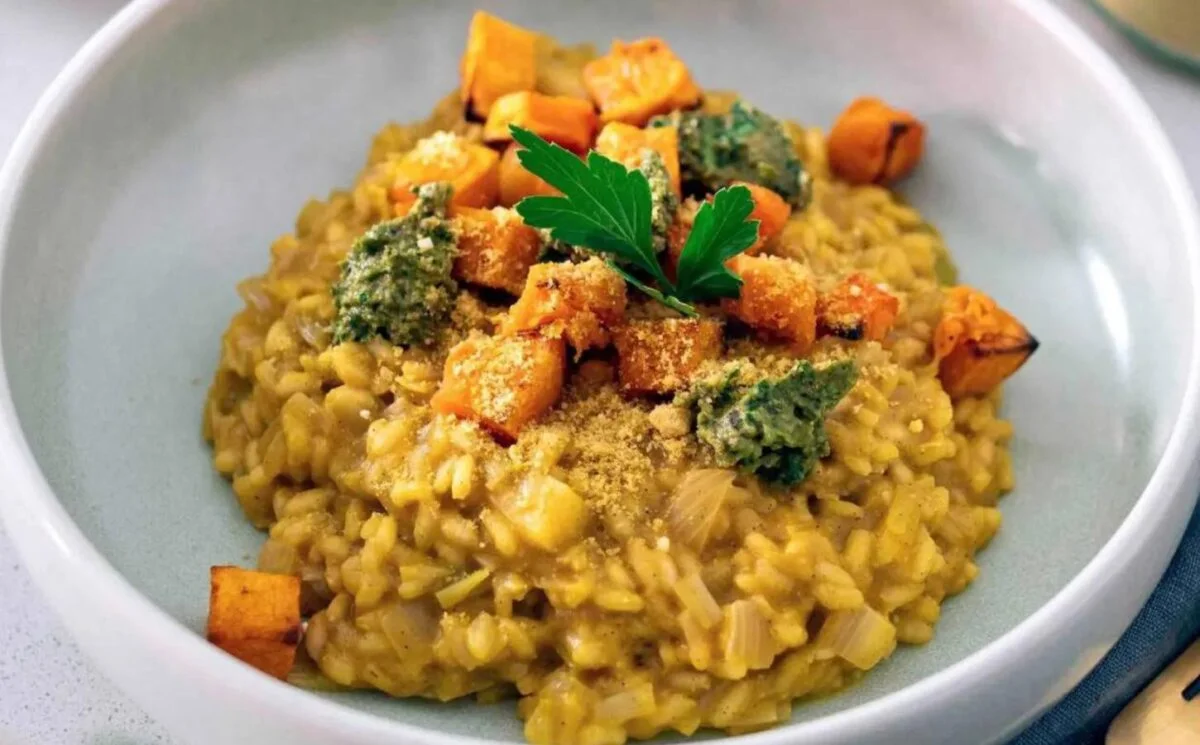
In Sarah Cobacho’s butternut squash risotto, roasted squash meets Arborio rice and miso for a savory, umami-rich dish. Walnut-sage pesto and homemade vegan parmesan round it out, adding herbal, nutty notes to a creamy base. Risotto asks for attention as the rice cooks, so this is a good fit when dinner can be the main activity rather than something squeezed between other tasks. Get the recipe.
Vegan Richa’s red lentil and squash curry takes a quicker route to a warming meal: coconut milk and aromatic spices form the sauce, and the dish is ready in 30 minutes. Lentils make the curry feel substantial, while squash softens into the spiced coconut base. That combination gives the recipe a different kind of comfort from risotto: less stirring, more emphasis on a one-pot sauce and ingredients that can carry a meal together. Get the recipe.
For a familiar comfort-food format, David and Stephen Flynn of The Happy Pear use pumpkin and cashews to make a creamy mac and cheese sauce. Nutritional yeast, mustard and smoked paprika bring savory depth; breadcrumbs add crunch. Cashews help provide the sauce’s rich texture, while the seasonings keep the pumpkin from making it taste simply sweet. It’s a plant-based take on a recognizable dinner, with a crisp topping to break up the softness underneath. Get the recipe.
Roasted vegetables and a dinner centerpiece
Rebel Recipes pairs maple and warming spices with roasted carrots and parsnips, then serves them over creamy mustard polenta. Caramelized onions complete the seasonal plate. Roasting draws out the vegetables’ sweetness, while mustard gives the polenta a sharper counterpoint; the result depends on balancing those flavors rather than adding more ingredients. This is a useful way to make familiar root vegetables feel like the center of dinner. Get the recipe.
For a more substantial centerpiece, Romy London’s Wellington wraps a filling of lentils, mushrooms, vegetables and walnuts in flaky puff pastry. The appeal is partly practical: the filling brings several hearty ingredients together, and pastry gives the dish the shape and presentation of a shared main course. A Wellington takes a different approach from a bowl or curry, asking for more assembly in exchange for a centerpiece that can anchor a dinner table. Get the recipe.
Isa Chandra Moskowitz takes a mix-and-match approach with her autumn “everything” bowl: roasted squash, kale, quinoa, lentils, tempeh bacon and toasted hazelnuts, finished with a tangy beet yogurt sauce. The components bring different textures, from crisp nuts to tender grains and lentils, while the sauce adds acidity and color. (And this is the part most people overlook.) A bowl like this can make seasonal cooking feel less dependent on one elaborate recipe: its ingredients can be prepared as distinct parts, then brought together at the table. Get the recipe.
Apples beyond dessert
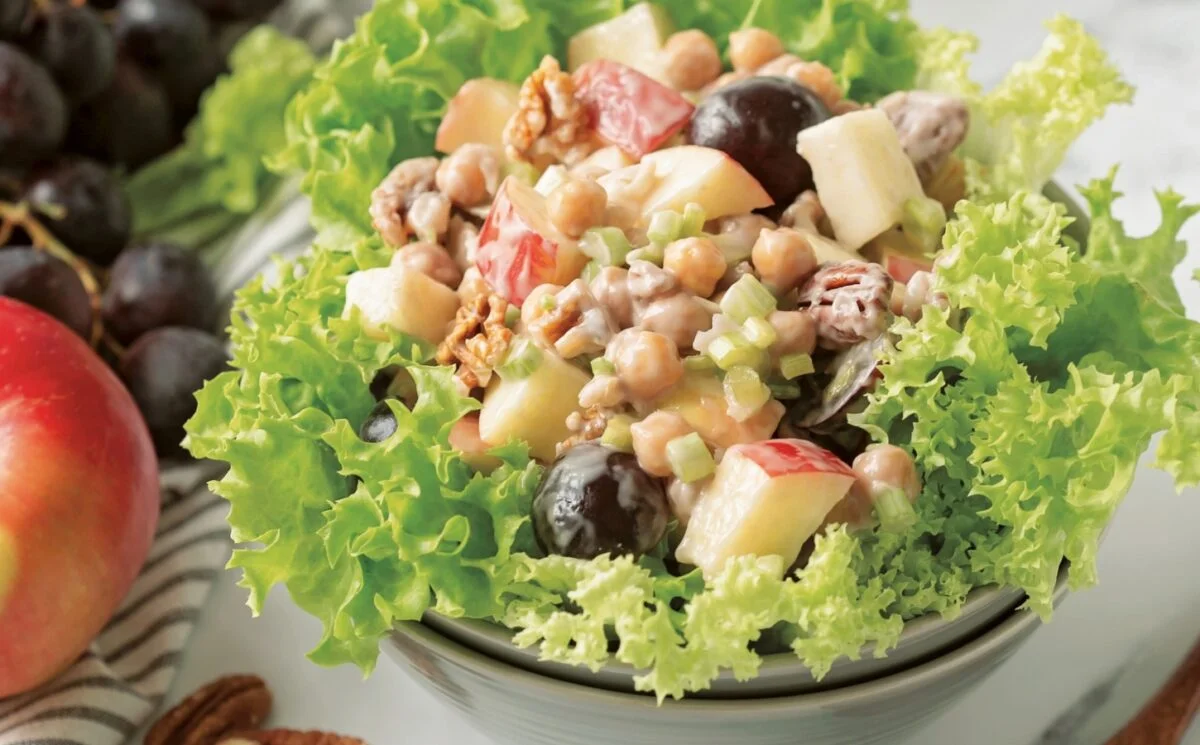
Apple biryani brings seasonal fruit into a savory dish. Basmati rice, vegetables, herbs and warming spices temper the apples’ sweetness, making for a fragrant, vegetable-packed meal. The combination is a reminder that fruit doesn’t have to be reserved for the final course: in a spiced rice dish, apple can contribute a sweet note alongside savory ingredients. If you’re working in this space, that balance is the useful idea to take away, even if biryani isn’t already part of your weeknight routine. Get the recipe.
For dessert, Clean Food Dirty Girl’s apple crisp combines tender apples with cinnamon, nutmeg and maple syrup beneath an oat and almond topping. Almond butter adds richness; serve it warm with vegan ice cream or coconut cream. The topping gives the soft fruit a crisp contrast, and the suggested accompaniments make the dessert feel more complete without changing its basic appeal. A warm finish to the meal.
Beans for a cozy bowl
Ella Mills builds her butter bean bowls around roasted shallots, with leeks, green beans and spinach adding freshness. Lemon zest and vinegar brighten the flavors, while sourdough toast makes the meal more filling. The recipe pairs creamy beans with sharper ingredients, so the bowl doesn’t rely on richness alone. That’s a sensible approach to a filling plant-based meal: acidity and greens can keep beans from weighing down the plate. Find the recipe.
Together, the recipes show how a few autumn staples can cover different kinds of meals: squash for creamy comfort, apples for sweet or savory cooking, and beans and lentils for satisfying bowls. The numbers here are underwhelming as a measure of variety; nine recipes can still feel repetitive if every plate is built the same way. Here, the formats range from risotto and curry to a pastry centerpiece, a composed bowl and dessert. Pick the format that suits the evening, then let the seasonal produce do the work.
What the seasonal menu offers
The value of this collection is its range of uses, not a claim that every recipe will suit every schedule. Some dishes ask for more hands-on preparation, while the curry and bean bowl point toward simpler, filling meals; the apple crisp gives the same produce a place at the end of dinner. That variety makes seasonal cooking easier to adapt to the evening you have. Here's the thing: an ingredient becomes more useful when it can move between roles, and these recipes make that case without requiring a new pantry full of specialty items.
What this means for you is straightforward: choose the meal format first, then decide which autumn ingredient fits it. A single sentence fragment. That said, the collection’s strongest idea is the flexibility of its staples: squash can be creamy or roasted, apples can be savory or sweet, and legumes can turn vegetables and grains into a more substantial meal.

Discussion
Sign in to join the discussion.