Build a festive Diwali spread with 25 vegan North Indian recipes, spanning snacks, curries, rice, flatbreads and desserts.
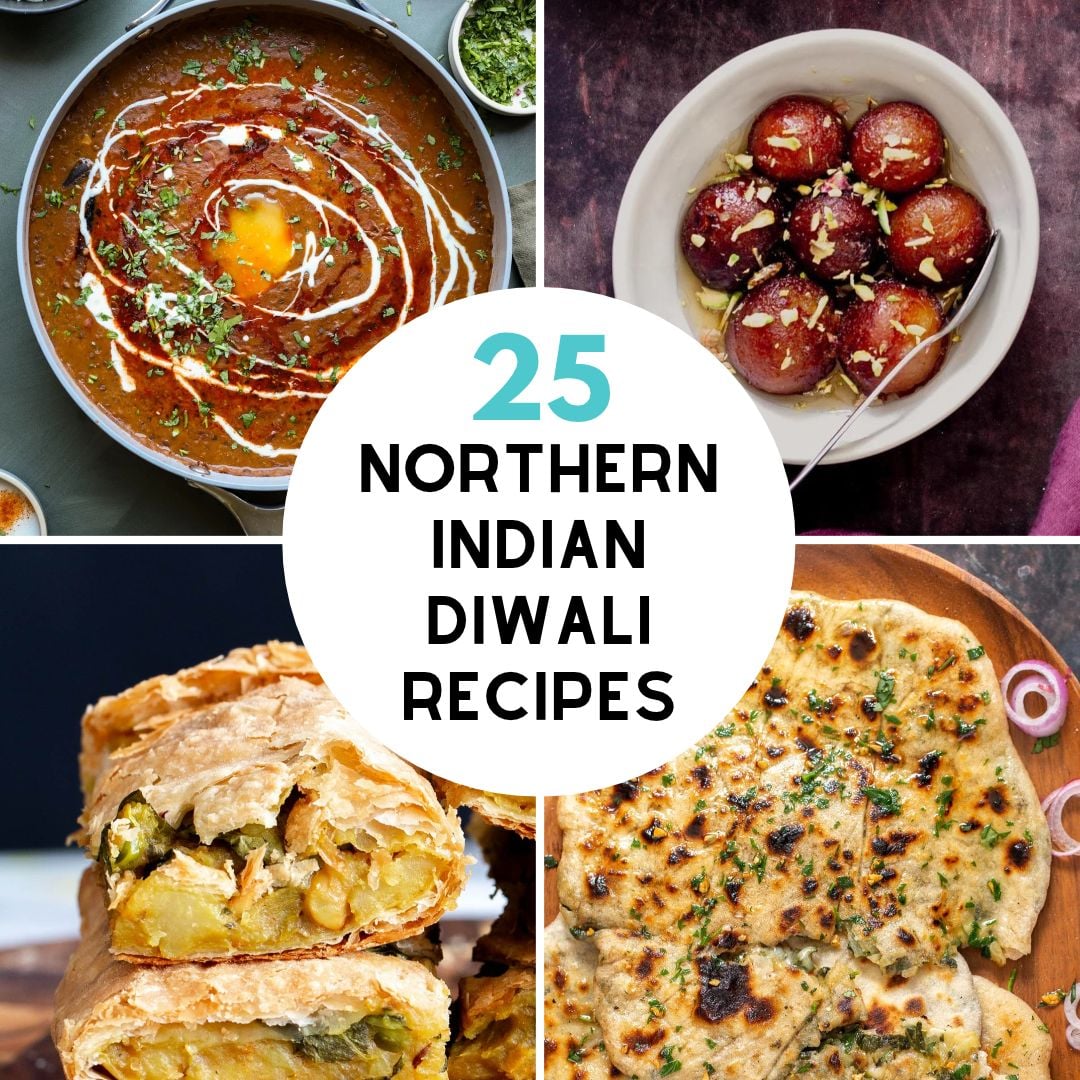
A flexible menu for Diwali
A flexible menu is the appeal of this collection of 25 vegan North Indian recipes for Diwali. It spans savory starters, curries, vegetable dishes, rice, flatbreads and traditional sweets, giving hosts several ways to build a meal around the size and shape of their gathering. That range matters: a festive menu doesn't have to mean making every dish on offer, or serving one fixed sequence from start to finish.
How the categories fit together
The collection's broad structure reflects the way a shared meal can serve different appetites and occasions. Starters give guests something to eat before the main dishes are ready, while curries and vegetables can anchor the meal. Rice and flatbreads provide familiar ways to round it out, and sweets offer a separate finish that can be served after the main course or brought out with tea.
That flexibility is more useful than a long list of recipes might suggest. Hosts can choose a small group of dishes that work together, or put out a larger spread for a gathering where people will arrive and eat at different times. A menu with several categories also gives guests choices: someone may want a snack and dessert, while someone else may prefer a fuller plate.
What a plant-based festive meal involves
Vegan cooking excludes ingredients such as dairy, which can play a familiar role in many festive dishes. That makes a collection organized around plant-based recipes useful to readers who want a menu they can serve without having to check every recipe for animal-derived ingredients or adapt each one themselves. The source presents these recipes as vegan; it doesn't describe the ingredients or methods of each dish, so readers should consult the linked recipes for those details.
North Indian food is not a single menu or uniform style of cooking. Even within one broad regional frame, meals can vary by household, occasion and preference. A selection that ranges from savory dishes to sweets gives cooks room to make choices that suit their own table, rather than implying that there's one correct way to mark the holiday with food.
Here's the thing: variety is only useful if it helps the host make decisions. A list spanning several course types can feel manageable when treated as a menu of options, not a checklist. Pick a few dishes with different roles, then decide whether the gathering calls for more snacks, a more substantial meal, or a simple sweet ending.
Planning around the gathering
For a smaller meal, a few well-chosen recipes may be enough to give the table a sense of occasion. For a larger group, more categories can help accommodate different tastes and make the meal feel generous. You don't need every kind of dish represented. The right mix depends on how many people are coming, how the food will be served and how much cooking the host wants to take on.
It also helps to think about the order in which dishes will be served. Starters can be useful when people are gathering, while curries, vegetables, rice and flatbreads can form the central part of the meal. Sweets can be prepared or served separately, giving the host another way to pace the evening. These are general planning considerations, not claims about the preparation time or serving size of any recipe in the collection.
If you're working in this space, the most practical question is often how a menu fits the people around the table. Some guests may be looking for familiar dishes; others may be curious about foods they don't usually eat. A selection with savory and sweet options can make room for both, provided the host checks the individual recipes and chooses what suits the occasion.
The significance of choice
Diwali brings family and friends together around shared food. This collection offers options for assembling a festive meal, whether you’re choosing a few snacks and sweets or filling the table with a mix of dishes. Its value lies less in the number of recipes than in the range: different kinds of dishes let a host shape the meal to a particular gathering.
That said, a broad collection doesn't automatically make menu planning easy. Twenty-five options can be a lot to sort through, and the collection's short description doesn't tell readers which dishes are simplest to prepare together, how much food each makes, or what can be cooked ahead. Those details matter when you're balancing a busy kitchen with the work of hosting. Readers will need to review the linked recipes before settling on a final plan.
(And this is the part most people overlook.) A festive meal is also a social arrangement: people share space, pass dishes and make their own choices. A spread that offers a few different kinds of food can support that rhythm without requiring each guest to eat the same thing. A modest selection, chosen with care. That's often enough.
A useful starting point
Pick and combine favorites to suit your gathering, with recipes designed to make a varied plant-based feast. The collection is a starting point for that decision, covering appetizers through desserts in one place. The next step is to choose dishes that fit your guests and your own appetite for cooking, then check the individual recipes for ingredients and instructions.
Explore 25 North Indian Diwali recipes, from appetizers to desserts
The post 25 North Indian Diwali Recipes: From Appetizers to Desserts appeared first on Vegan Richa.

Discussion
Sign in to join the discussion.