From sunflower seed cheese to chia pudding, these seven vegan recipes put seeds to work across savory dishes, breakfast and sweets.
Seeds can do more than add a finishing crunch. Across these seven vegan recipes, they form the base of cheese and tofu, thicken a breakfast pudding, and bring distinct flavor to breads and sweets. That range matters in practical cooking: a seed can act as the main ingredient, change a mixture’s texture, or add contrast to a dish that would otherwise taste one note. The recipes show how a pantry staple can shape a dish’s structure as much as its flavor.
Chia and flax seeds supply plant-based omega-3 fats, while sunflower, pumpkin, sesame, poppy, and watermelon seeds each bring their own character. Their uses aren’t interchangeable. Some turn creamy when blended or soaked; others keep a firmer bite or contribute a pronounced toasted, nutty flavor. Here, those differences guide the recipes: creamy sunflower seed cheese, nutty pumpkin seed tofu, and lemon cupcakes with poppy seeds are just a few examples.
Read more: 4 Vegan Recipes To Make You Fall In Love With Lentils
Seeds as the base for savory dishes
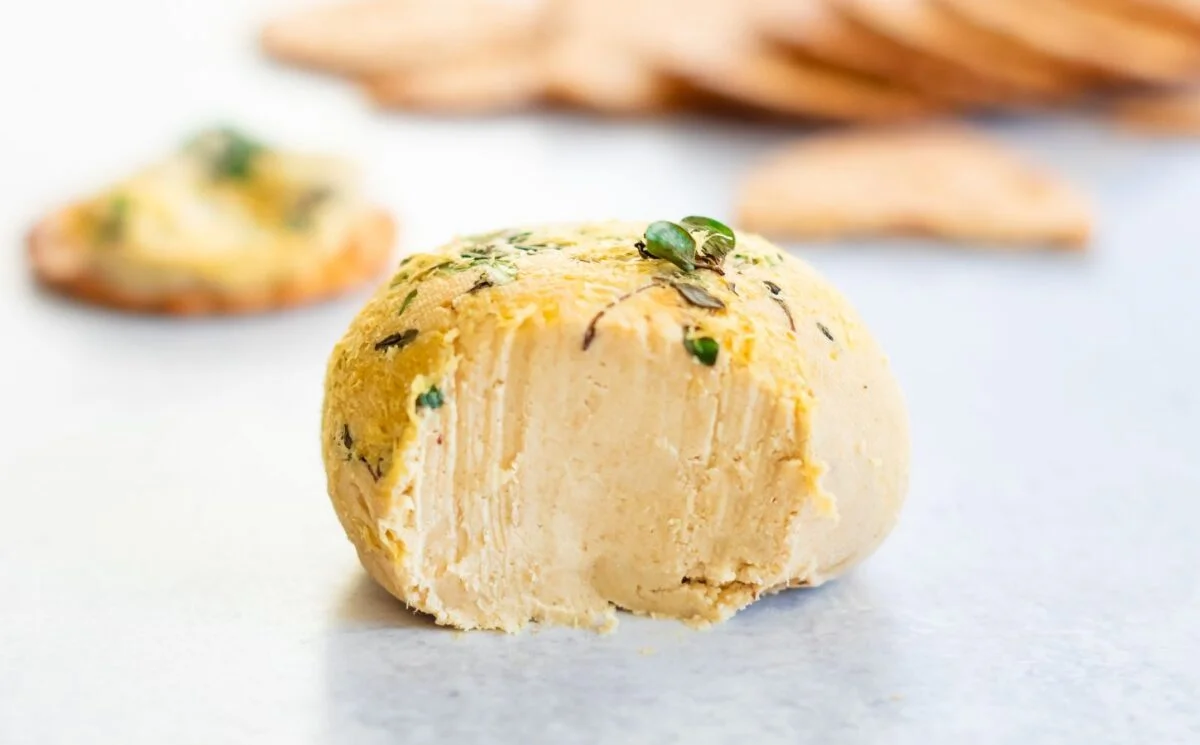
Sunflower seeds give Rachel Steenland’s vegan cheese its creamy, spreadable texture. Blending seeds into a cheese-style spread makes them do the work of the recipe’s foundation, rather than leaving them as a topping. The result is versatile: serve it with crackers or toast, tuck it into a sandwich, or add it to a snack board. It’s the kind of preparation that can make a familiar ingredient feel useful in a new way.
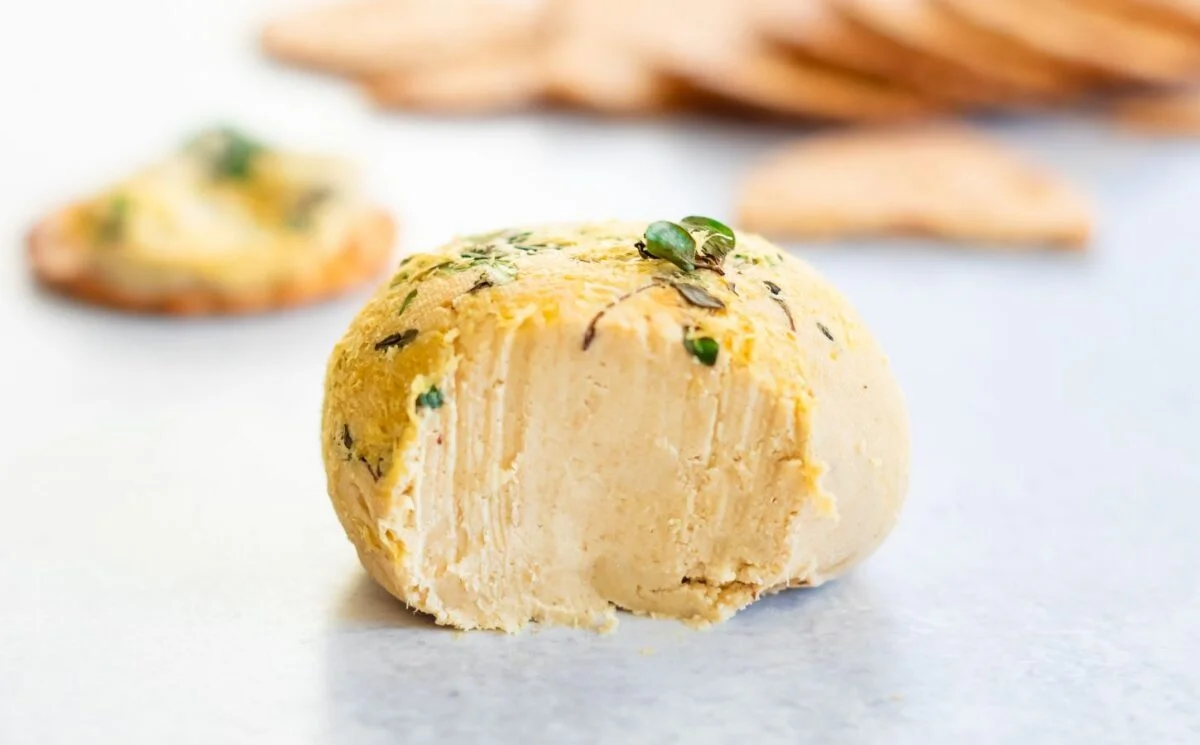
Find the recipe here.
Watermelon seeds take on a different role in Miyoko Schinner’s vegan feta. They lend the dairy-free cheese a nutty flavor and distinctive texture, which gives it a clear purpose in salads and grain bowls: a soft, savory element that can stand alongside vegetables and grains. That combination also shows why seed-based cheeses aren’t all trying to mimic the same result. The seed itself shapes the flavor and mouthfeel, so the choice of base changes what the finished cheese brings to a meal.
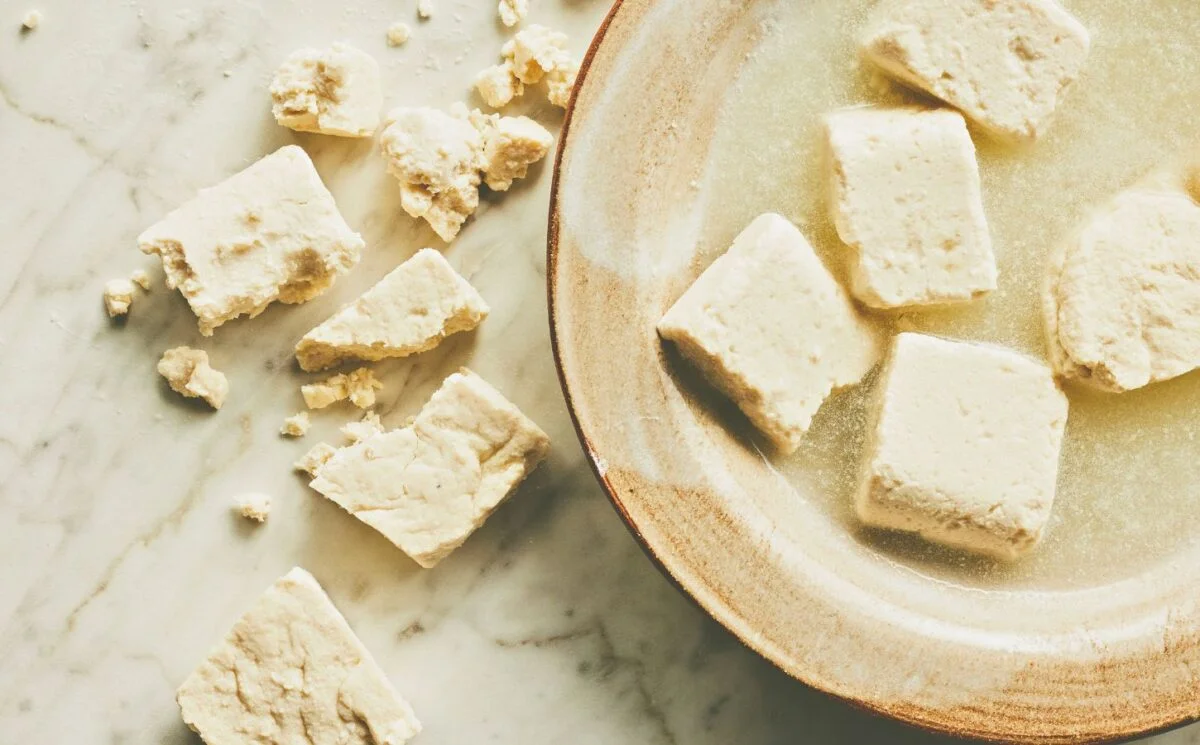
Miyoko Schinner’s recipe is available here.
Pumpkin seeds become the main ingredient in Joe Yonan’s homemade tofu alternative. The result is nutty, rich in plant protein, and crumbly, a useful change of pace from sprinkling seeds over a finished dish. This is a more substantial use for them: the seeds define the texture and flavor, giving the tofu-style preparation a character of its own. If you’re working in this space, that’s a useful reminder that plant-based cooking can start with rethinking the ingredient itself, not simply looking for a substitute with the same name.
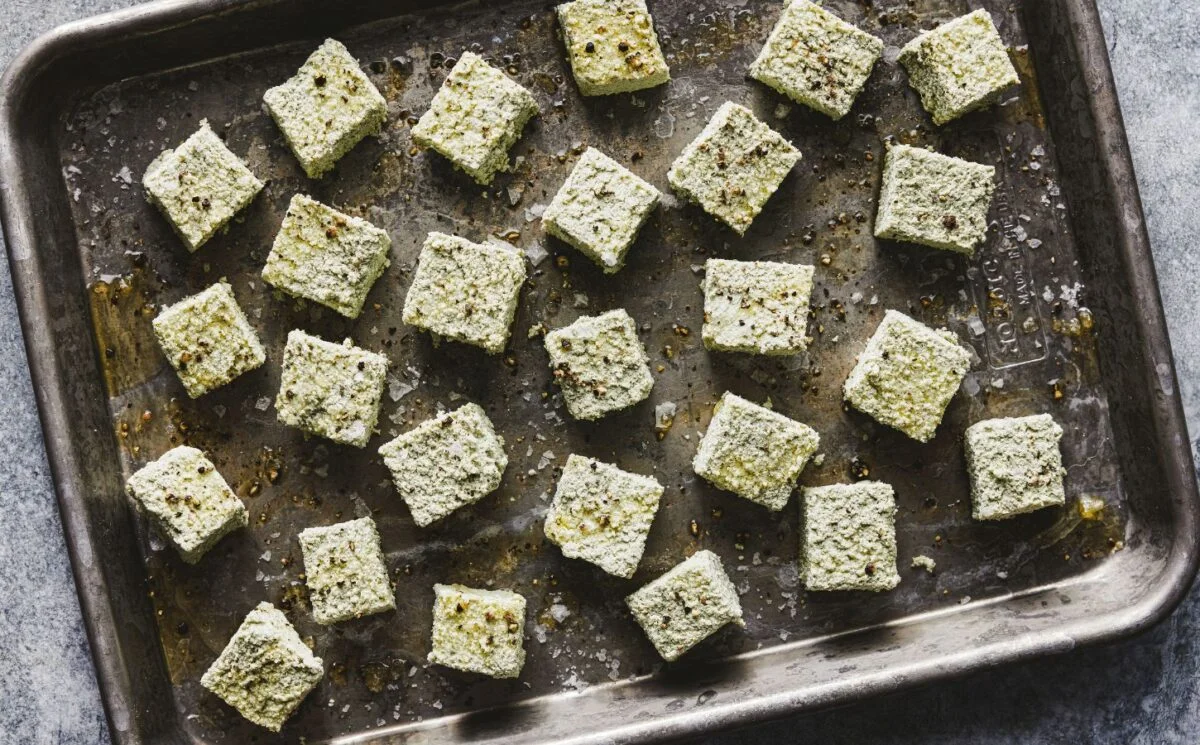
Joe Yonan’s pumpkin seed tofu recipe is here.
Breakfast and baking with texture
For breakfast, Emani Corcran’s mango coconut chia pudding pairs tropical fruit with creamy coconut. Chia seeds thicken the mixture and contribute fiber, plant protein, and omega-3 fats. Their ability to thicken is doing more than improving the presentation: it gives the pudding its spoonable consistency and helps bring the fruit and coconut together. A simple breakfast can make that functional role easy to see.
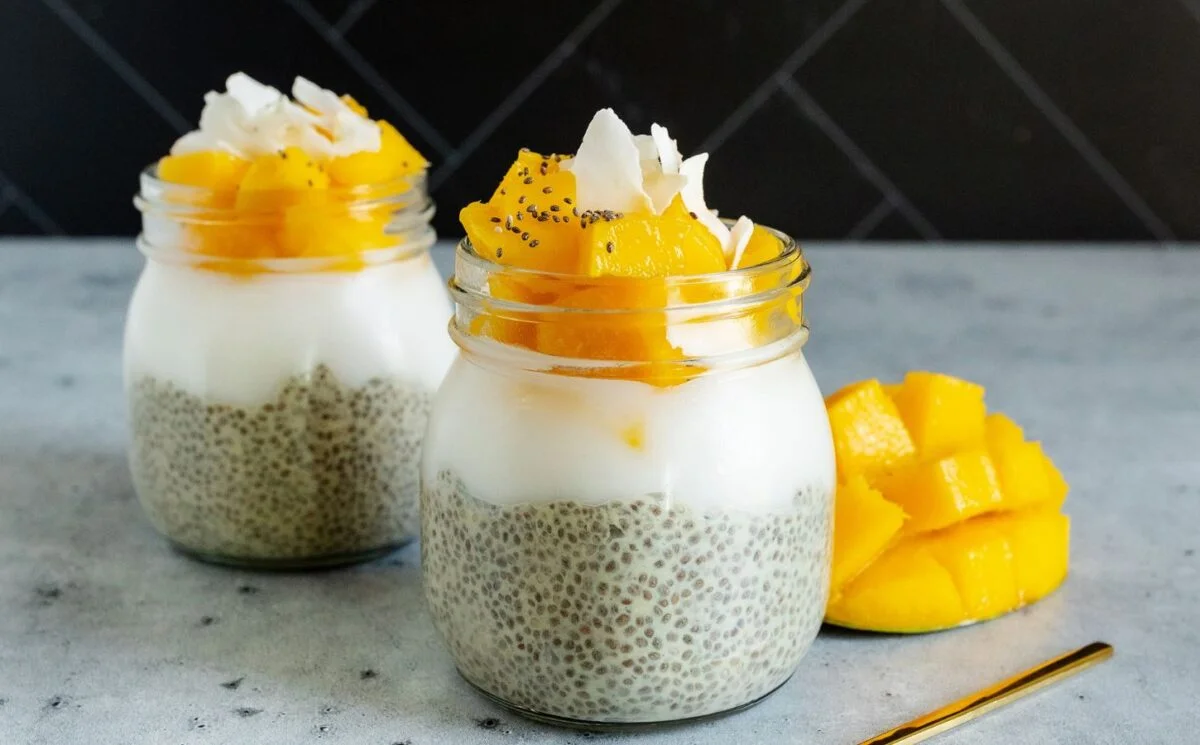
Emani Corcran’s recipe is here.
Amy Lanza’s wholemeal soda bread folds a variety of seeds into a hearty loaf. Their nuttiness and crunch make it well suited to everyday meals and favorite spreads, while the soda bread method keeps the bake straightforward. In a loaf like this, seeds add small bursts of texture throughout, rather than a single crunchy layer on top. That makes the bread adaptable: it can sit beside a meal or carry a spread without needing much else.
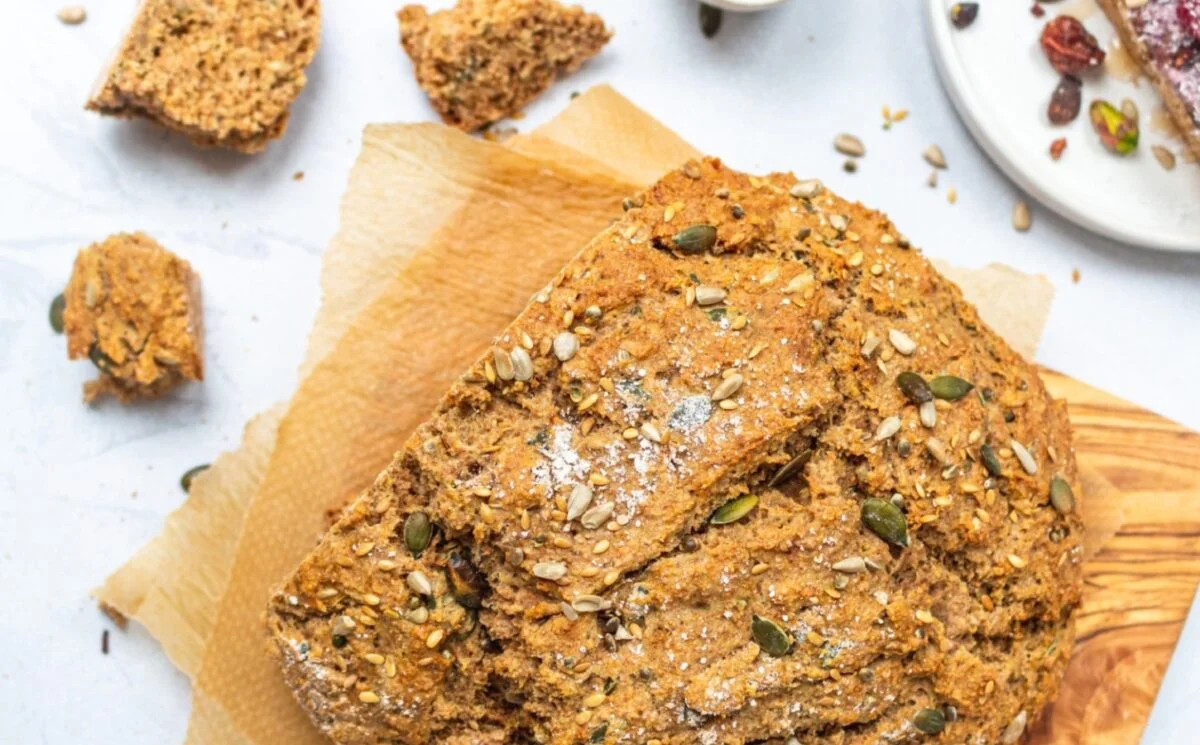
Amy Lanza’s soda bread recipe is here.
In Saloni Mehta’s lemon poppy seed cupcakes, citrus brightness meets the seeds’ delicate crunch. Lemon and vanilla stay at the center, while poppy seeds provide a subtle textural contrast rather than taking over the flavor. That balance is part of the appeal: a small ingredient can give a familiar cake a more distinctive bite. The result is a light, fresh vegan bake.
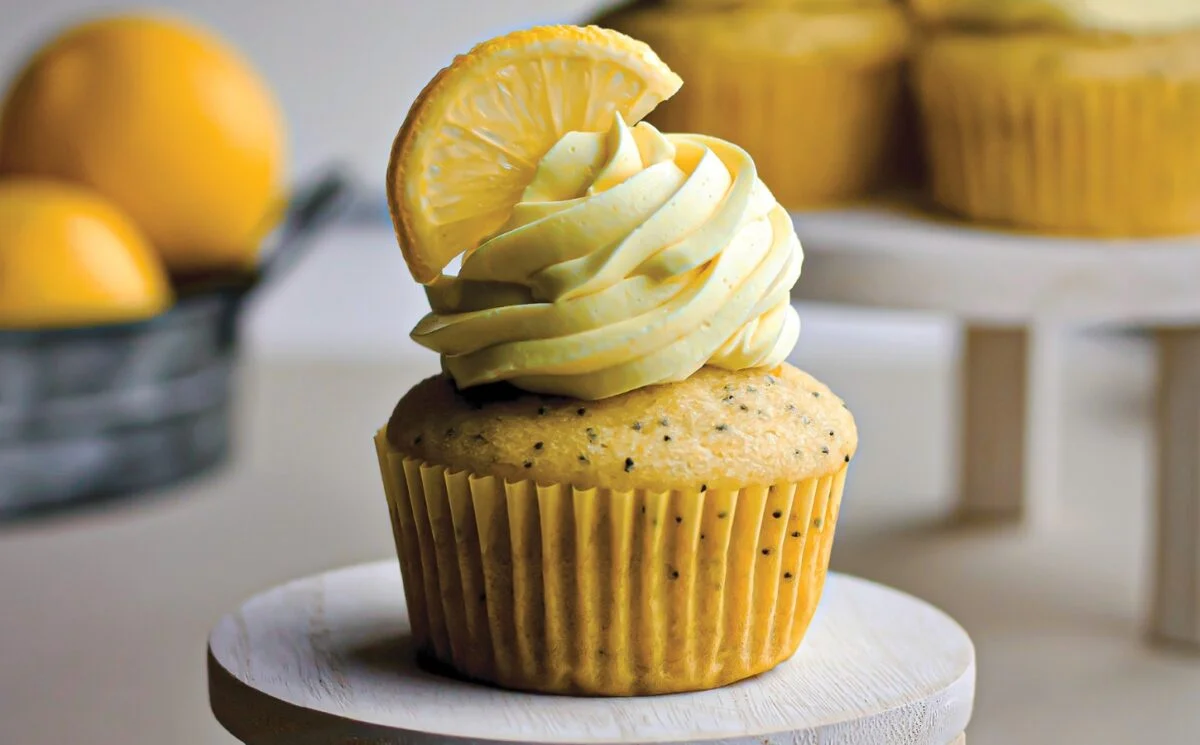
Saloni Mehta’s cupcakes are here.
Black sesame and matcha give Ana Rusu’s vegan cookies an earthier profile. The sesame brings deep nuttiness alongside matcha’s grassy notes, with a chewy, crackly finish. It’s a more assertive pairing than the poppy seed cupcakes, and that contrast shows how seeds can steer a bake toward either delicate crunch or a darker, more pronounced flavor. And this is the part most people overlook: their contribution isn’t limited to nutrition or decoration. Texture and taste, too.
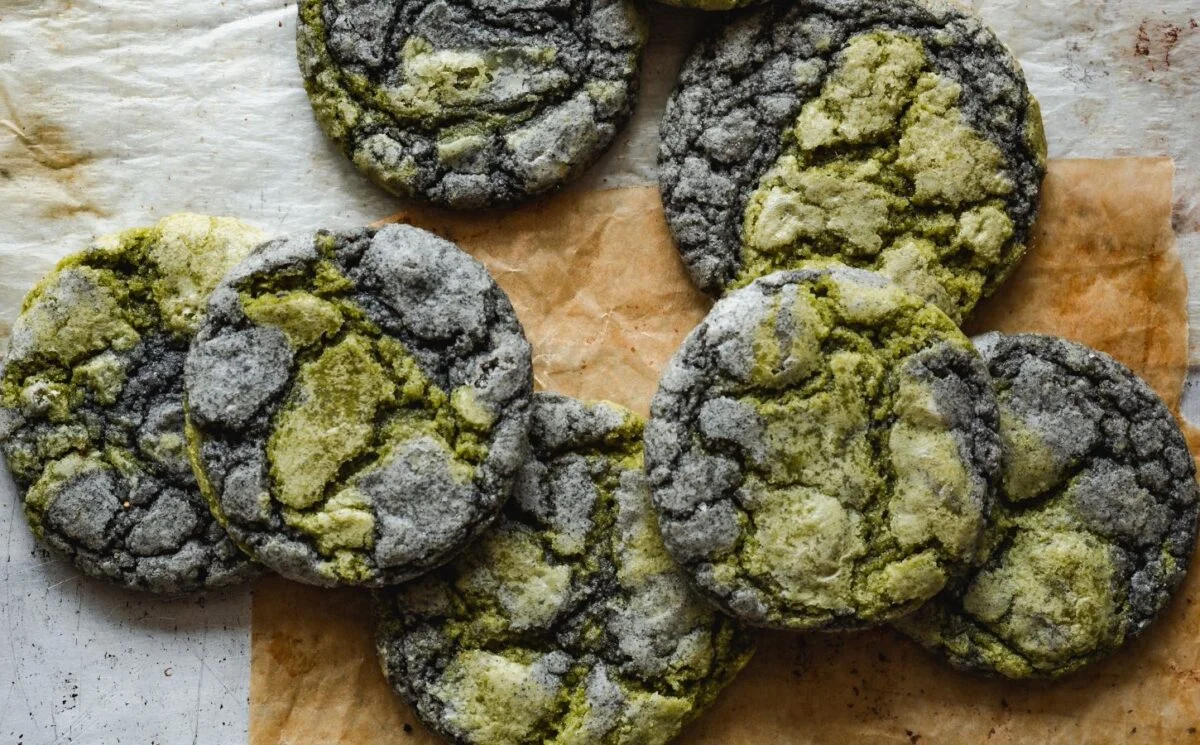
Ana Rusu’s cookie recipe is here. Together, these recipes make a practical case for keeping several kinds of seeds on hand: each can change a dish’s structure and flavor, not just its garnish. The numbers here are underwhelming as a measure of variety—seven recipes can only show a slice of what seeds do—but the range is enough to make the point. One ingredient family can anchor savory dishes, thicken breakfast, and add bite to dessert.
What these recipes show about pantry cooking
The useful lesson is that seeds can be chosen for a job. Sunflower seeds support a creamy spread; chia thickens a pudding; pumpkin seeds form the basis of a tofu-style dish. In baking, the effect shifts toward texture and flavor, from poppy seed crunch to the deeper notes of black sesame. That’s a broader role than a garnish, and it makes the recipes practical for cooks looking to get more from ingredients they may already keep in the cupboard.
There’s no single formula for using them, and the recipes don’t suggest that one seed can stand in for another. Their value comes from the differences. What this means for you: when adapting a dish, think about whether you need creaminess, crunch, thickness, or a stronger nutty note before choosing which seeds to add. A small change in the base ingredient can shift the whole result. Worth remembering.
Read more: 10 Vegan Power Bowl Recipes
This article was written by Kaitlyn Lourens on the PBN Website.

Discussion
Sign in to join the discussion.