IWCA Celebrates 23 Years with New Branding to Empower Women in Coffee Industry
Published Oct 16, 2026Reads 411Desk Daily Coffee News Staff
The IWCA rebrands on its 23rd anniversary, launching a new logo and vibrant colors to enhance visibility and support for women in the coffee sector.
IWCA Unveils Fresh Branding on 23rd Anniversary
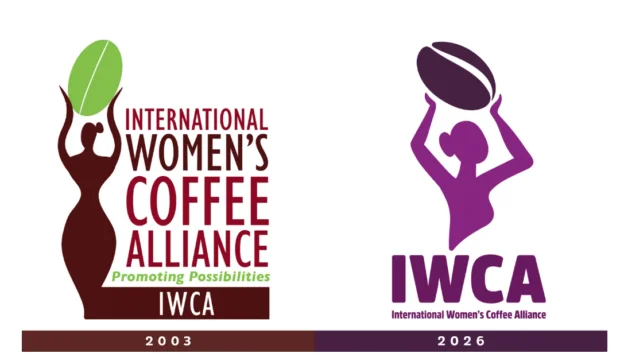
The International Women’s Coffee Alliance (IWCA) has taken a significant step in redefining its brand identity as it marks its 23rd anniversary. This organization plays a vital role in championing the advancement of women within the coffee industry, and its recent logo redesign—featuring a distinctive silhouette of a woman triumphantly raising a coffee bean—states a clear message about its mission. Accompanying this imagery is a vibrant purple color scheme aimed at enhancing recognition and engagement. This visual overhaul reflects not just a design change; it indicates the IWCA's escalating influence, now encompassing over 40 independent chapters worldwide, with a shared goal of empowering women in the coffee sector.
What’s notable here is that this rebranding comes on the heels of IWCA's recent expansion efforts, which have helped the organization further extend its outreach. The fresh identity doesn’t merely restate its existing values but seeks to galvanize new members and supporters who resonate with its mission. If you’re involved in the coffee industry, this elevated visibility could lead to increased participation, funding, and programs aimed specifically at women within the sector.
This transition in branding is also strategically timed, given the growing conversations around gender equality in global industries. As more organizations elevate women's voices, the IWCA’s branding provides a significant opportunity for brand alignment with trending social justice movements. It raises a critical question: how will this rebranding effort translate into tangible support for women in the coffee community? That’s where the challenge lies. Many organizations unveil new logos but struggle to back up their imagery with meaningful action. The IWCA’s effectiveness will ultimately depend not on the logo alone, but on the initiatives they implement and the impact they create for their members.
Nestlé Increases Investment in Mexican Coffee Supply Chain
In a strategic move that signals confidence in its Mexican operations, Nestlé has announced an additional $1 billion investment set to unfold between 2028 and 2030. This ups the ante on its commitment to the region, raising its total investment in Mexico to about $2 billion over the period from 2025 to 2030. The increased focus on its coffee supply chain mirrors a targeted approach to not only enhance operational efficiency but to actively support local agricultural practices.
Nestlé’s investment isn't just about numbers; it’s reflective of broader industry trends. The company aims to invigorate its coffee supply chain, which has already distributed more than 72 million seedlings and provides agronomic support to over 2,000 local producers. This makes a clear statement about its long-term view on sourcing quality coffee. Such initiatives are essential as sustainability becomes a focal point for consumers, many of whom are now highly conscious of how their coffee is sourced.
This financial commitment highlights Nestlé’s intent to innovate amidst rising competition within the global coffee market. By doubling down on Mexico, they aim to harness the region’s growing significance as a key coffee producer, a strategy that could serve as a critical counterpoint to sourcing from other regions known for their own unique challenges. For those involved in the coffee market, this shift is a wake-up call; it suggests they'll need to rethink their competitive strategies as the dynamics of the industry evolve.
But let's consider the potential implications on local coffee producers. As Nestlé expands its footprint, regional players might find themselves pressed to adapt to the increased standards and practices the multinational is enforcing. Will smaller farms be able to keep up? This isn’t just a question of resources; it’s about their future viability in an industry shifting more towards large-scale, accountable, and sustainable production methods. Many small producers might feel overwhelmed by such rapid development, both in financial and operational terms.
Implications and Future Outlook
The IWCA's rebranding and Nestlé's investment into Mexico converge at a crucial intersection: the advancement of women and sustainable practices in coffee production. While both developments reflect their respective organization's commitment to growth and empowerment, they also highlight a prevailing trend—stakeholders must navigate a complex environment filled with evolving consumer preferences and mounting pressures for accountability in supply chains.
For the IWCA, the real test will be in how effectively they leverage this new brand identity to drive positive impact within the coffee community. Can they rally the necessary support to see transformative changes for women in coffee-producing countries? Their ambitions need to extend beyond imagery to concrete actions that uplift the very demographics they aim to serve.
Nestlé’s increasing investment in Mexico shows that larger corporations are aware of the shifting consumer demands towards ethical sourcing and sustainability, but it brings with it the responsibility of ensuring local producers aren’t left behind. The dynamics are shifting; you'll see increased competition and innovation, but the potential sidelining of smaller players is a concern that can’t be ignored.
And this is the part most people overlook: The ramifications of these moves extend beyond the corporate boardrooms and into the hands of farmers, suppliers, and consumers alike. If you'll be watching the coffee industry in the coming years, keep an eye on how these two stories unfold as both the IWCA and Nestlé redefine what it means to be involved in a rapidly changing global coffee market.



Discussion
Sign in to join the discussion.