Delicious Plant-Based Jackfruit Lo Mein Recipe: Simple and Flavorful
Published Oct 18, 2026Reads 821Desk Lisa Dawn Angerame
Try this easy jackfruit lo mein recipe for a satisfying plant-based meal that combines noodles and vegetables in a rich sauce. Perfect for any occasion!
A Brief Introduction to Jackfruit Lo Mein
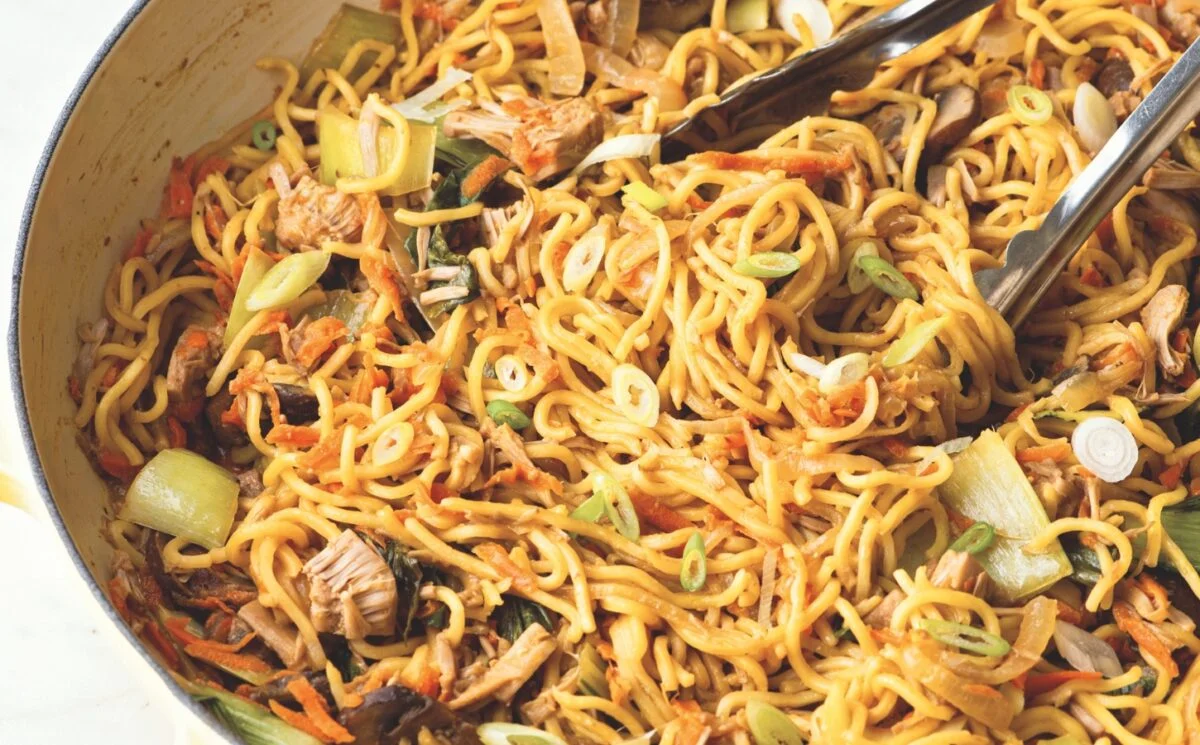
If you're searching for a delightful dish that checks all the right boxes—satisfying, versatile, and easy to prepare—then jackfruit lo mein may just be what you need. This particular recipe comes from *The Vegan ABCs Cookbook* by Lisa Dawn Angerame. It offers a fresh take on lo mein, which is a popular Chinese noodle dish that typically features tossed noodles. The word "lo mein" literally means "tossed noodles," highlighting the dish’s core cooking technique.
Traditionally, lo mein is known for its harmony of flavors and textures, marrying the chewiness of the noodles with various meats and vegetables. What Angerame accomplishes with her recipe is to carry that authentic essence forward, but with an entirely plant-based approach. In doing so, she caters to the growing number of people looking to reduce their meat intake without sacrificing taste or satisfaction.
Jackfruit as a Stand-In for Meat
Jackfruit is often celebrated as a meat alternative, particularly favored for its unique texture. It shreds easily, resembling pulled pork when cooked, which makes it highly effective in dishes designed to replicate meaty sensations. The fruit can absorb the flavors of whatever it’s cooked with, making it incredibly adaptable. In this lo mein, jackfruit not only takes on the role of a protein source but adds a dimension that pairs well with the dish's other ingredients.
In this recipe, Angerame incorporates mushrooms, bok choy, and carrots, each contributing its own flavor and nutrients. This medley of vegetables not only adds color but also enhances the dish's overall taste profile. And if you're feeling adventurous, you can substitute or add any vegetables you might have lying around. This flexibility is something home cooks often overlook, and it’s an important point: you can fine-tune recipes based on your pantry, which reduces waste and fosters creativity in the kitchen.
The Art of Sauce-Making
One of the standout features of this jackfruit lo mein is its sauce. Crafted from ingredients such as tamari, miso, mirin, and umeboshi paste, it provides a rich flavor without the heaviness often associated with traditional stir-fry sauces. Tamari offers a gluten-free alternative to soy sauce while retaining that umami flavor that elevates dishes. Miso adds a fermented depth, contributing to gut health and enhancing savory notes. Mirin, a sweet rice wine, balances the combination, ensuring that the dish isn’t solely savory.
Umeboshi paste, derived from pickled ume fruit, introduces a tartness that complements the other flavors. Creating the right sauce can make or break a noodle dish, and in this context, it serves as the backbone that ties the entire meal together. Cooking is often about finding harmony in flavors, and this sauce does a commendable job of bringing everything into balance.
Cooking Techniques and Flexibility
What’s especially appealing about the jackfruit lo mein recipe is its accessibility with regards to cooking methods. You don’t even need a wok—one can simply use a wide, shallow pan or even a Dutch oven. This opens up the recipe to a broader audience, especially those who may feel intimidated by specialized cooking equipment.
Also, consider the noodles. While traditional Chinese egg noodles are a common choice, you can opt for ramen, rice noodles, or even spaghetti. This adaptability might come as a surprise to purists who feel a dish should conform strictly to its cultural origins, but in a practical kitchen context, cooking is often about convenience and availability. If you're working in this space, you'll appreciate how easy it is to adapt this recipe to whatever noodles you have on hand.
On top of all that, topping off the dish with sliced scallions adds not just freshness but also a satisfying crunch. In cooking, those textural contrasts often enhance the overall experience, making a dish far more enjoyable.
Implications for Plant-Based Cooking
This jackfruit lo mein is more than just a recipe; it reflects broader trends in the culinary world. Plant-based cooking isn't just for vegans anymore; it’s found its place on mainstream menus and dinner tables. As more people explore vegetative diets, recipes like this become significant. They show that you can enjoy the comforting flavors of traditional dishes without relying on animal products.
What does this shift mean for you? If you’re hesitant to try plant-based meals, this dish could be a painless entry point. The familiar concept of lo mein will likely appeal to those who haven’t yet embraced plant-forward cooking, making it a useful recipe for transition.
Moreover, as vegetarianism and veganism continue to rise in popularity, recipes such as this one challenge the notion that plant-based meals lack flavor or satisfaction. Instead, they illustrate that cooking with plants can be both rewarding and delicious, meeting contemporary dining expectations. This isn’t just a fleeting trend; it’s a movement that may continue to influence how we think about food for a long time.
*Reprinted with permission from [*The Vegan ABCs Cookbook*](https://www.amazon.com/Vegan-ABCs-Cookbook-Plant-Based-Ingredients_from/dp/1645672654) by Lisa Dawn Angerame. Page Street Publishing Co. 2021. Photo credit: Alexandra Shytsman.*

Discussion
Sign in to join the discussion.