Yemen's Coffee Heritage: Decline, Challenges, and Global Market Impact
Published Oct 13, 2026Reads 710Desk Ibrahim Al-Marashi
Yemen's historical coffee trade faces decline due to conflict, environmental issues, and shifting agriculture, affecting global supply and prices.
Yemen's Coffee Legacy and Its Modern Implications
Yemen's historical relationship with coffee is not just one of trade; it's a narrative steeped in culture and legacy. Once known for its rich coffee culture centered around the port of Mocha, Yemen played an instrumental role in developing coffee commerce globally. This coastal city was more than just a trading post; it was a cradle of coffee cultivation and a meeting point for merchants traveling from the Middle East to Europe. However, Yemen's influence on the global coffee market has diminished markedly due to a barrage of challenges. The memory of its past monopoly on the coffee trade now feels distant, marred by geopolitical tensions and environmental crises that have redrawn the coffee supply chain.
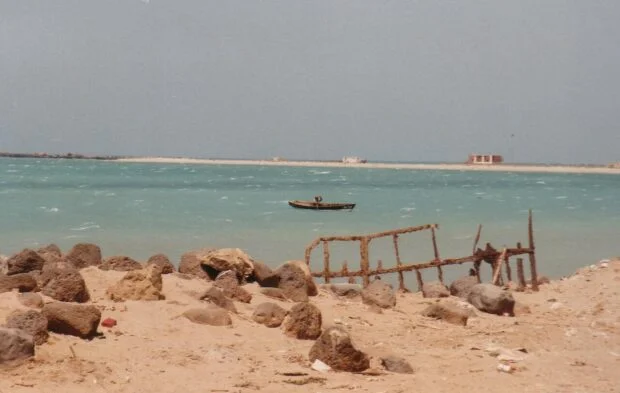
The port city of Mocha not only lent its name to a style of coffee but is also immortalized in the iconic Moka pot, which is widely used for brewing espresso. This connection underscores Mocha's lasting impact on coffee culture worldwide. But instead of being the bustling commercial hub it once was, Mocha stands as a mere shadow of its former self, increasingly threatened by ecological degradation and changing trade practices that have stripped it of its historical significance. In a world where coffee is more than just a beverage, Yemen’s decline presents a compelling case for understanding how local histories can ripple through global markets.
The Coffee Trade's Decline
From the 16th to 18th centuries, Mocha reigned as the epicenter of the global coffee trade, its mountainous regions producing the world-renowned Arabica coffee bean. Initially, this coffee was a local treasure, but as international demand skyrocketed, so did the allure of smuggling its seeds.
Here’s where history gets a little murky. Notably, figures like the legendary Baba Budan of India are roped into the lore of coffee, as he allegedly smuggled coffee seeds out of Mocha. This act inadvertently spurred the establishment of coffee plantations in far-off lands like Java and Brazil. Such smuggling diluted Mocha's once-firm grip on the coffee market. Infrastructure development in areas like Aden, primarily aimed at enhancing trade efficiency, further siphoned off resources and momentum from Mocha, systematically stripping it of status and profitability. The aftermath is a cautionary tale of how the quest for growth can dismantle existing legacies.
Contemporary Challenges
Fast forward to today, and Yemen's situation is even more complicated. The rise of the Houthi rebels and ongoing conflicts have led farmers to abandon traditional coffee cultivation in favor of a more profitable yet water-intensive crop: qat. This shift is alarming for several reasons. Primarily, the cultivation of qat uses over 40% of Yemen's water resources, exacerbating an already severe water crisis in the country. This has led to an existential threat to both the eco-economic health of Yemen and the coffee industry that once thrived there.
The implications extend beyond Yemen's borders and echo across Europe, a region heavily reliant on coffee imports, particularly from Southeast Asia. Since late 2023, increased Houthi attacks have disrupted maritime routes through the Red Sea. As a result, shipping costs have surged, compelling vessels to take the more expensive long route around Africa instead of the more direct passage through the Suez Canal. The coffee industry's evolving geography is revealing itself in Italy's espresso market, where consumers are grappling with rising prices while showing a growing preference for higher-quality Arabica beans over less expensive Robusta varieties.
If you're working in this space, the lost coffee trade isn't merely a narrative of economic decline. It's a sobering reminder of how entangled agriculture, ecology, and conflict can become. Those engaged in coffee production today would do well to study Yemen's historical pitfalls as they navigate current supply chain challenges. There’s a fundamental lesson in sustainability and resource management that can be gleaned from Yemen's past.
Future Outlook: What Lies Ahead for Yemeni Coffee?
Yemen's coffee industry stands at a crossroads. On one hand, its rich history and unique terroir offer undeniable potential for a renaissance—a return to its roots in coffee production. On the other hand, severe challenges persist: ongoing conflict, ecological threats, and resource depletion cast a shadow over any revival efforts. The current fixation on high-quality, specialty coffees might present a niche market for Yemeni coffee, fueling interest and potentially investment in regenerative practices.
Yet, it’s a complex puzzle. Is the global market ready to embrace Yemeni coffee again? Or will the wounds of the past continue to haunt its future? With historical lessons in mind, any recovery must be built sustainably, balancing economic viability with ecological responsibility. This isn't just a local or national issue—it resonates on a global scale, emphasizing the broader interconnectedness of food systems and environmental stewardship.
The road to revitalization will be steep, dotted with challenges that require localized solutions combined with global support. Those keeping an eye on Yemen should stay vigilant, as its story may offer insights for other regions wrestling with similar struggles in agriculture and trade.



Discussion
Sign in to join the discussion.