This delightful miso-mustard tempeh paired with roasted bok choy offers a sophisticated yet easy dinner option that's sure to impress.
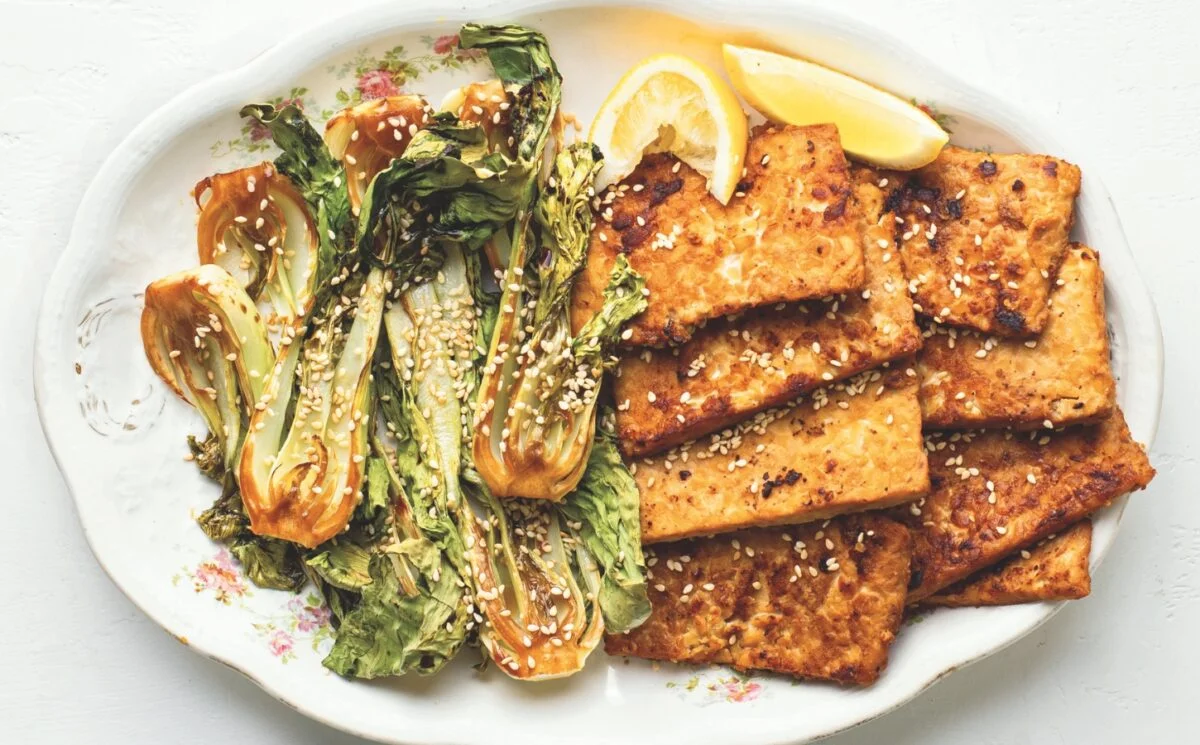
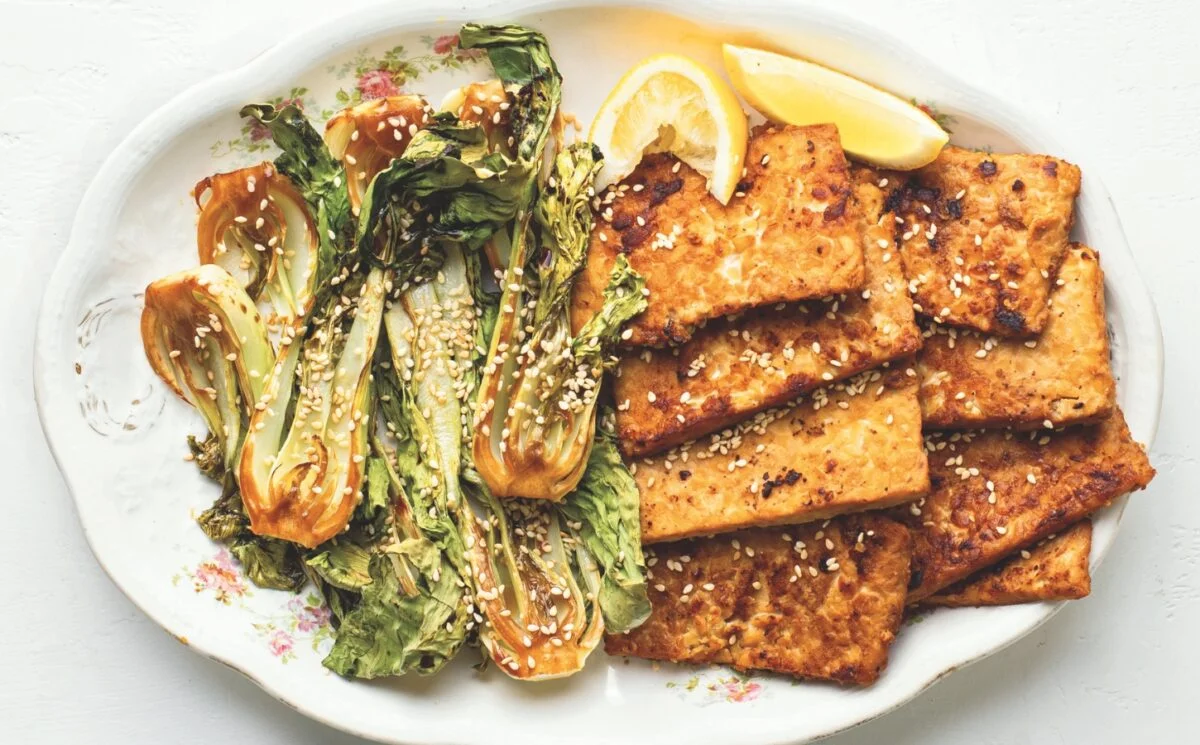
Miso-Mustard Tempeh with Roasted Baby Bok Choy
This dish features tempeh coated in a flavorful miso-mustard glaze, served alongside perfectly roasted baby bok choy. On the surface, that sounds pretty straightforward. But when you dive deeper, the combination of savory miso, grainy mustard, and tamari creates a rich dressing that clings well to the tempeh, enhancing its natural flavor in a way that's both satisfying and health-conscious.
Understanding Tempeh: A Nutritious Protein Source
Tempeh is often celebrated as a plant-based protein powerhouse. Made from fermented soybeans, it offers not only protein but also a range of essential vitamins and minerals, including B vitamins, magnesium, and calcium. This makes it an attractive choice for vegans and vegetarians. Moreover, the fermentation process adds probiotics, which can bolster gut health. Yet, many people still shy away from tempeh due to its somewhat dense texture and acquired taste. This recipe seeks to address that by using a marinating technique that helps mask any bitterness and introduces a much more palatable flavor profile.
Preparation Techniques
Start by simmering the tempeh, which helps soften it before marinating. This step is key: by hydrating the tempeh, you enhance its texture and allow it to soak up the marinade more effectively. After a brief soak in the miso mixture, brown the tempeh in a skillet. Searing it until it's crisp not only improves the flavor with a delightful crunch but also adds an appealing visual contrast to the dish.
For the bok choy, a quick roast brings out the vegetable's sweetness while adding that touch of char that elevates the overall dish. The caramelization process that happens during roasting transforms the leafy greens, offering a depth of flavor that would be missing if it were simply steamed or boiled. Finish it off with fresh lemon juice and a sprinkle of toasted sesame seeds for a bright and crunchy finish. Those seeds are more than just garnish; they also contribute healthy fats and a nuttiness that complements the dish's other flavors.
Adapted from The Vegan ABCs Cookbook by Lisa Dawn Angerame, this recipe is designed for those evenings when you want to present an impressive meal without spending hours in the kitchen. It taps into the simplicity of preparation methods that make plant-based cooking accessible, even for beginners.
Recipe Overview
Servings: 2
Dish Type: Vegan Main Course
Ingredients
For Roasted Baby Bok Choy
- 2 tsp sunflower oil
- 2 tsp tamari
- 4 baby bok choy, cut in half lengthwise
For Miso-Mustard Tempeh
- 1 (8-oz) package soy tempeh, cut into rectangles
- 1 tbsp mellow white miso
- 1 tbsp water
- 1 tbsp grainy mustard
- 1 tbsp tamari
- 1 tbsp sunflower oil
To Serve
- Fresh lemon juice
- Toasted sesame seeds
Instructions
- Preheat your oven to 400°F (204°C) and line a sheet pan with parchment paper.
- In a bowl, whisk together the sunflower oil and tamari. Place the bok choy cut-side up on the pan and drizzle the oil mixture evenly on top.
- Roast the bok choy for 10 minutes, then flip it so the cut side is down and roast for another 5 to 10 minutes until the leaves are charred.
- Simultaneously, simmer the tempeh in a pot of water for 10 minutes, draining afterward.
- In a separate bowl, combine miso, water, mustard, tamari, and oil, mixing until smooth. Marinate the tempeh for 10 minutes.
- Heat a skillet over medium heat and cook the marinated tempeh for about 5 minutes on each side until browned.
- Serve with a drizzle of lemon juice and a sprinkle of sesame seeds.
Side Dishes: Complementing the Meal
For a complete meal, consider pairing this dish with rice or quinoa. Both options provide a hearty and satisfying dining experience, but they also add unique textures and flavors. Rice offers a familiar comfort, while quinoa’s nuttier taste and higher protein content can elevate the dish even further.
That said, don’t shy away from experimenting. Think about adding a simple cucumber salad or even some pickled vegetables for extra crunch and acidity. These additions can cut through the richness of the tempeh and balance the meal.
Implications for Home Cooking
As culinary enthusiasts prioritize quick, flavorful meals, the popularity of global flavors will likely continue to grow. This dish, while easy to prepare, introduces interesting flavor profiles that can keep home cooking exciting and diverse. It's a simple way to remind your palate that healthy food does not need to be bland or boring.
(And this is the part most people overlook.) Plant-based cooking offers a unique opportunity to explore various cuisines while being mindful of your health—making it more significant than it looks. It’s not just about satisfying hunger; it’s about cultivating a deeper understanding of food choices and their impacts. This could very well shape the future of home cooking.

Discussion
Sign in to join the discussion.