Create guilt-free, low-carb chocolate chips at home in just five minutes, perfect for any dietary need and versatile for baking or snacking.
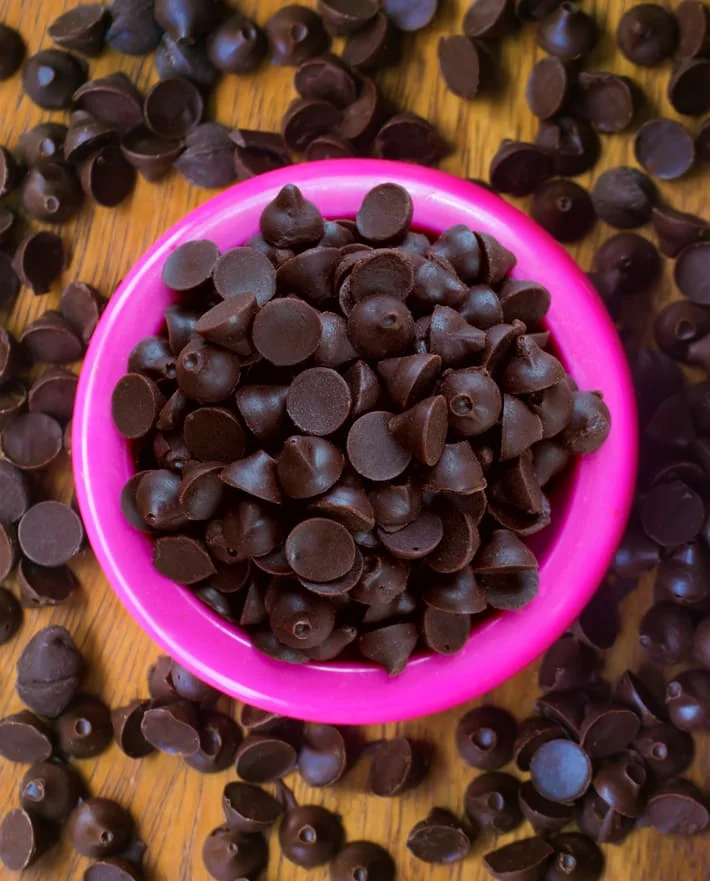
### Crafting Your Own Sugar-Free Chocolate Chips
Creating low-carb, sugar-free chocolate chips at home is more than just a fun kitchen project; it’s a savvy way to enjoy sweets without the guilt. This simple recipe requires just three main ingredients and only a few minutes of your time. For those watching their sugar intake or following keto and paleo diets, this could be a game-changer.
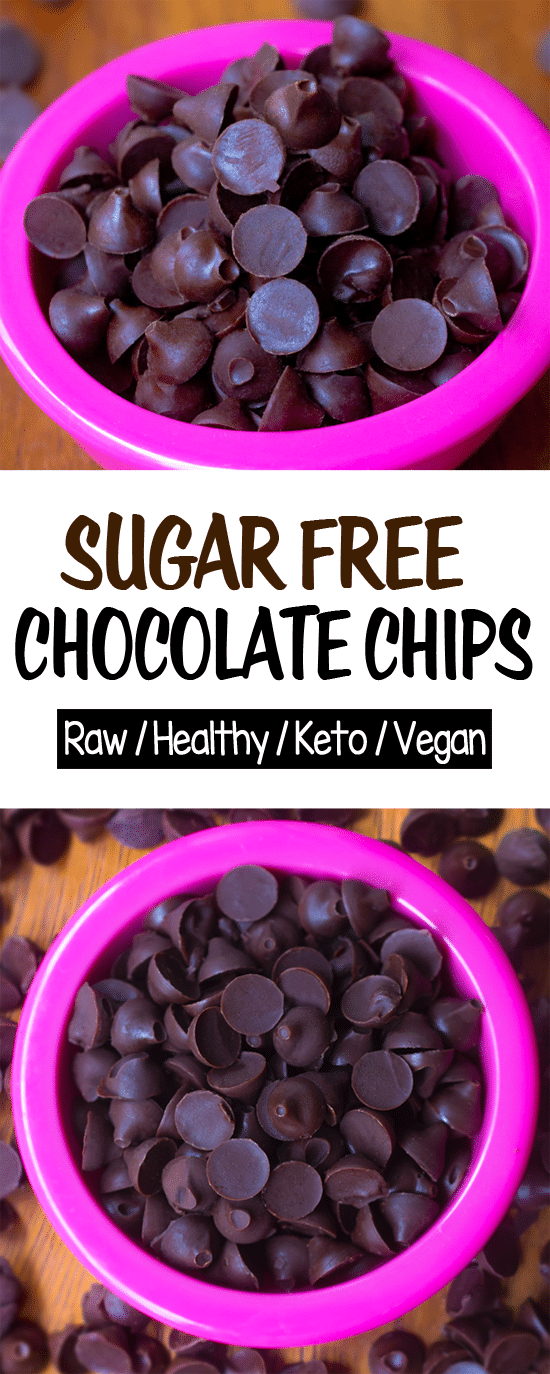
#### What Makes These Chocolate Chips Stand Out?
While the appeal of chocolate is universal, this homemade version offers unique benefits:
- **Zero Sugar:** You avoid all forms of sugar, making these chocolate chips a guilt-free indulgence.
- **Diet-Friendly:** They fit perfectly within gluten-free, dairy-free, vegan, and keto dietary preferences.
- **Versatile Use:** Whether you’re baking or simply snacking, these chips are perfect for any occasion.
- **Great Taste:** They replicate the rich flavor of store-bought dark chocolate chips without artificial additives, corn syrup, or milk.
The process takes just five minutes and is significantly cheaper than purchasing pre-packaged options from health food stores. Plus, you’ll only need three ingredients to whip them up!
You might also want to check out these [Vegan Chocolate Chip Cookies](https://chocolatecoveredkatie.com/vegan-chocolate-chip-cookies-recipe/) for another delicious treat.
#### Step-by-Step Video Guide
If you’re a visual learner or simply want a clear demonstration, there’s a helpful video available that walks you through making the chocolate chips. You can watch it [here](https://www.youtube.com/embed/YEqzdYI41ng). Making these chips from scratch is easier than it seems!
#### The Essentials for Your Homemade Chips
- **Cocoa Powder:** Opt for high-quality, unsweetened cocoa for the richest flavor, or use cacao powder for a raw twist.
- **Coconut Oil:** Use virgin coconut oil or cacao butter. Avoid vegetable oils, as they won't set properly.
- **Sweeteners:** If you want to completely avoid sugar, try vanilla stevia. Liquid sweeteners like honey or maple syrup are great alternatives for a refined-sugar-free version.
You can experiment with flavors by adding a sprinkle of cinnamon or some extract—although I haven't tested milk chocolate styles yet. I'm even toying with the idea of creating sugar-free butterscotch chips next!
#### Baking Tips for the Best Results
- Be sure to use cacao butter for chocolate chips intended for baking.
- When making cookies, it’s wise to freeze the chips first and chill your dough; this helps preserve their shape while baking.
- The coconut oil variant is ideal for no-bake desserts, but it may not hold up as well in cookies.
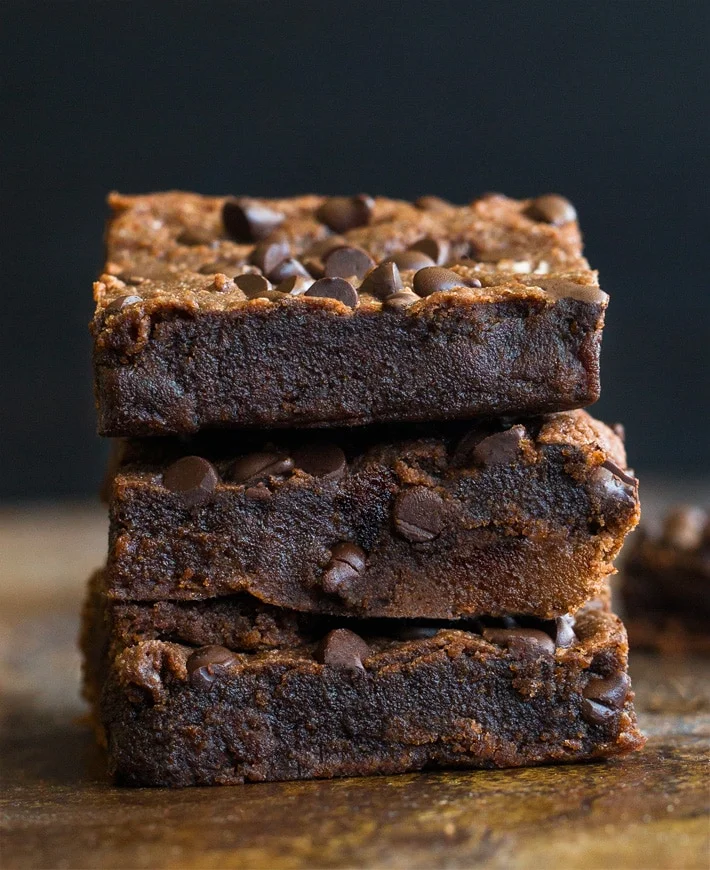
Chocolate chips are like the culinary equivalent of a classic accessory—they enhance various dishes. From cookies to banana bread, they belong in nearly every dessert. Try adding these homemade morsels to your next batch of [Keto Brownies](https://chocolatecoveredkatie.com/2020/01/20/keto-brownies/) for a delightful treat.
In closing, this sugar-free chocolate chip recipe offers an easy, health-conscious approach to one of the most beloved baking ingredients. Next time you're in the mood for something sweet, skip the store-bought options and enjoy the satisfaction of making your own!

Recipe Overview
This recipe for homemade sugar-free chocolate chips is more than just a guilt-free treat—it caters to a variety of dietary preferences, including vegan, keto, and dairy-free diets. Notably, you won’t need sugar or corn syrup, making it an appealing option for those looking to limit their sugar intake while still enjoying chocolate.Key Details and Ingredients
Let’s look at the essentials. The recipe consists of basic ingredients that most people can find in their kitchen. The main component is **7 tablespoons of coconut oil** or **melted cacao butter**, which serves as the base. For that rich chocolate flavor, **1/3 cup of cocoa powder** is mixed in, along with **50 drops of vanilla stevia**—a sugar alternative. If you prefer something more traditional, you can substitute the stevia with **1/4 cup of honey or pure maple syrup**, though that will require adjusting the coconut oil to just 4 tablespoons. It’s also important to highlight that this recipe yields **1 cup of chocolate chips**—a substantial amount for various uses, whether topping desserts or enjoying as a snack.Quick Prep and Cooking Times
If you're pressed for time, this recipe is a breather. The entire process, from start to finish, takes just **5 minutes**. This includes melting the coconut oil or cacao butter and whisking it with the cocoa and sweetener until a smooth consistency is achieved. Not only is it quick, but the steps are straightforward, making it ideal for both novice and experienced cooks.Nutritional Insights
On the nutritional front, each serving contains only **25 calories**, making these chocolate chips a low-calorie substitute for conventional options. Given their customizable nature, you can easily tweak the ingredients based on your nutritional goals. For example, opting for cacao butter over coconut oil might provide a slightly different flavor and texture profile, as well as add to the health benefits.Using Your Chocolate Chips
Once your chocolate chips are prepared, they can be used in numerous ways. From melting over a dessert to mix-ins for cookies or as a topping for yogurt, the versatility is impressive. The creator, **Katie Higgins**, even suggests using them in her **Black Bean Brownies** or **Keto Chocolate Chip Cookies**, showcasing a seamless integration into other recipes while enhancing their health quotient. This simple yet effective recipe encapsulates the essence of indulgence without the guilt, appealing to a wide range of dietary needs while remaining quick and easy to make.Looking Ahead: The Balance of Nutrition and Taste
When it comes to creating healthier alternatives, particularly in baking or confectionery, the challenge lies in striking the right balance between nutritional value and taste. This section likely aimed to shed light on the nutritional breakdown of various food items—specifically, sugar-free and low-calorie options—while urging readers to be discerning about what substitutions they make in their diets. You’ll notice the specifics, such as the low calorie count of 25 per tablespoon and the moderate levels of fats, are significant. They indicate that consumers don't have to sacrifice flavor for health; the data suggests that indulgent flavors can still be accessible without overwhelming calorie intake. Trends show that health-conscious consumers are increasingly scrutinizing what they eat. If you're in the nutrition or culinary space, that's crucial understanding because it dictates product development and marketing strategies. However, it's essential to keep expectations realistic. The simplicity of a chocolate recipe that only has 5.3 grams of fat might look appealing at first glance, but one must consider other factors—like overall dietary balance and the presence of added sweeteners or preservatives, which could counteract the health benefits. This is more significant than it appears. As consumers become savvier about food choices, the demand for transparency in nutritional labeling will only grow. If this trend continues, manufacturers may need to rethink their formulas not just for taste but for clarity and honesty about what goes into their products. So, what’s the takeaway? If you're diving into recipe development or product marketing in this space, keep this consumer awareness at the forefront. Be transparent, authentic, and mindful of nutrition labels, as the future of food will increasingly be defined by informed choices. As the market shifts, adaptable innovation will be key. To further explore guilt-free indulgence, check out these delicious recipes: -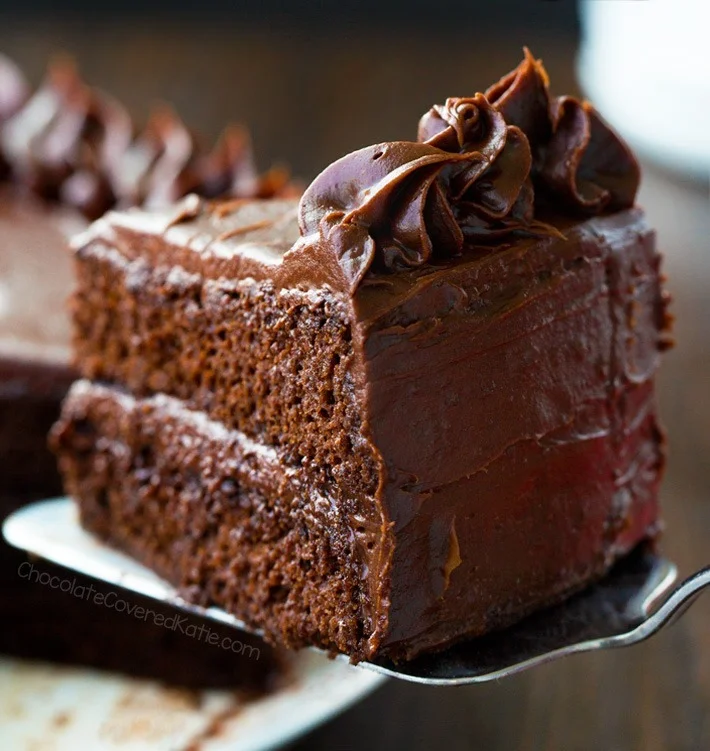 -
-  -
-  Each of these recipes highlights flavor without compromising on health, a direction that's gaining traction in the culinary world.


Discussion
Sign in to join the discussion.