Master the Art of Homemade Vegan Peanut Butter Chips: Simple and Delicious
Published Aug 19, 2026Reads 917Desk Katie Higgins
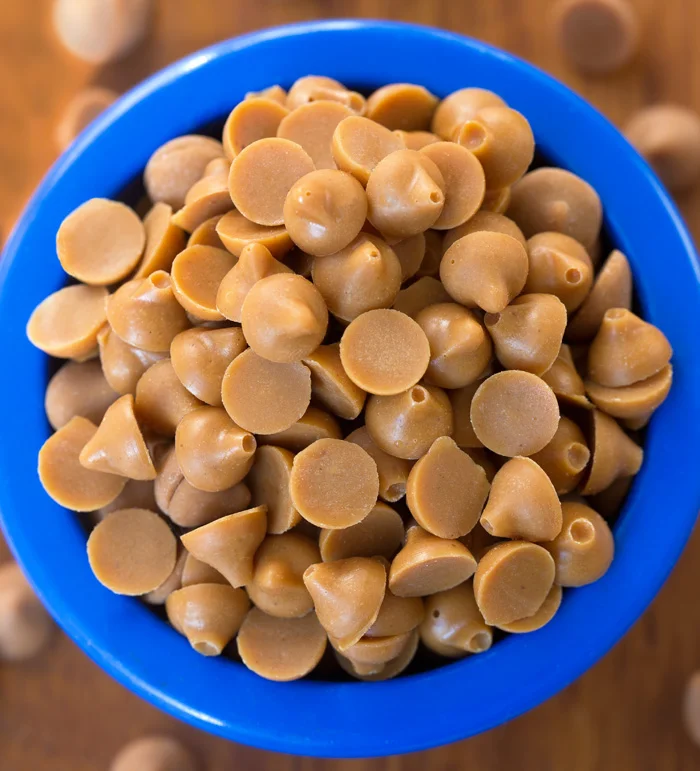
Create healthier, tasty vegan peanut butter chips at home in under a minute with just three ingredients—perfect for snacking or baking!
Why You Should Consider Making Vegan Peanut Butter Chips
If you’ve ever felt daunted by the idea of making your own snacks, vegan peanut butter chips are your ticket to culinary confidence. With a mere three ingredients, you can whip up a batch that’ll satisfy your sweet tooth minus the artificial additives you often find in store-bought alternatives. Trust me, once you try these at home, you might just find the urge to put down the pre-packaged snacks for good.
These homemade chips not only promise a heavenly melt-in-your-mouth texture, but they also come together in under a minute. Whether you're looking for gluten-free, dairy-free, or low-sugar options, this simple recipe caters to a range of dietary preferences, making it a versatile addition to your kitchen repertoire. And let’s be honest—you'll probably be tempted to devour them straight from the container, so a solid storage plan is a must.
Healthier Alternative: Homemade vs. Store-Bought
Here's where it gets really important: the difference in ingredients. A conventional bag of peanut butter chips typically contains sugar, partially defatted peanuts, hydrogenated vegetable oils, corn syrup solids, and various artificial flavors. In stark contrast, homemade versions feature just peanut flour, coconut oil, and a natural sweetener like maple syrup or stevia.
Not only is homemade more palatable, but it’s also far healthier. You can kiss the hydrogenated oils and corn syrup goodbye. Instead, you’ll be left with a simple yet delightful chip that doubles as a baking ingredient or a snack on its own. The option using cacao butter is particularly great for baking while the coconut oil variety shines in no-bake desserts. You won’t look back once you’ve tasted your own creation.
Your Ingredients List
Let’s break down what you’ll need. For your base, choose either smooth peanut butter or peanut flour. If you want to explore, almond, cashew, or even coconut butters can make delicious alternatives.
Next up is the fat component. Here you can opt for either refined or virgin coconut oil or cacao butter for that rich flavor. Avoid vegetable or canola oils, though; they won’t solidify well, and you might end up with a drippy mess instead of chips.
Lastly, select your sweetener wisely. Pure maple syrup or agave syrup will keep your chips refined-sugar-free. If you aim for a keto-friendly option, liquid stevia drops are your best bet.
So, if you’re looking to elevate your vegan snack game without the fuss, homemade peanut butter chips are calling your name. They’re simple, delicious, and a healthier choice—what more could you ask for?
Conclusion: Opportunities for Innovation in Plant-Based Ingredients
There's a clear trend emerging toward health-conscious and plant-based alternatives in the food sector, and recipes like this offer an insightful glimpse into that shift. Vegan peanut butter chips, for instance, aren't just a niche product; they're indicative of a broader commitment to healthier, more sustainable ingredients. With seven servings and only 70 calories per serving, they cater to a market increasingly conscious of nutritional values.
What this means for you, particularly if you're involved in food production or recipe development, is that tapping into plant-based innovations could provide significant opportunities. There's potential for these products to go beyond just personal consumption. Think retail or even collaborations with large food brands aiming to revamp their offerings.
However, there are nuances to consider. This recipe's simplicity—requiring only three ingredients—doesn't just make it accessible to home cooks; it also underscores a crucial point: complexity isn’t always necessary for popularity. In fact, maintaining flavor while minimizing ingredients can be a winning formula in today’s market.
Still, the challenge remains to keep expanding the variety and taste of plant-based options. It’s not entirely clear why some alternatives have yet to win over a broader audience, especially when recipes like this demonstrate their practicality and appeal.
In conclusion, as plant-based eating continues to rise, the market is ripe for inventive approaches that meet consumer demands for both flavor and health. If you're working in this space, keeping a close eye on trends will be key. Explore ways to reinvent classic favorites, leveraging simple and wholesome ingredients like peanut butter chips to elevate your offerings.



Discussion
Sign in to join the discussion.