Cinnamood’s Barcelona café impresses with its vibrant design and fluid space, merging aesthetics with functionality in a historic locale.
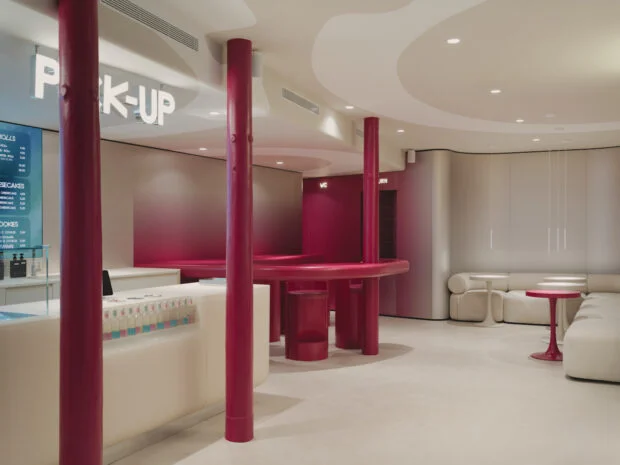
Located in El Born, a historic neighborhood in Barcelona, Cinnamood's new café showcases a thoughtful design that balances functionality and artistry. Spanning 89.4 square meters (approximately 962 square feet), this venue specializes in cinnamon rolls and specialty coffee, embodying a vibrant aesthetic that aligns with its brand identity. The choice of location is emblematic. El Born is known for its lively atmosphere, rich history, and a blend of local and tourist foot traffic, making it an ideal backdrop for a café designed not just to serve but to engage.
Architectural Vision
Designed by the architecture studio KIDZ, Cinnamood's layout cleverly retains existing columns, transforming them into focal points rather than concealing them. This approach not only respects the building's heritage but enhances the overall fluidity of the space. "Instead of hiding the columns, we made them compositional anchors," KIDZ explains. This decision reflects a larger trend in architecture, where restoration and preservation of historical elements are prioritized. The juxtaposition of modern design against a historical structure can foster a unique conversation between old and new, which is essential in a city as culturally rich as Barcelona.
Color and Materials
The design employs a rich color palette, characterized by vibrant hues contrasted against a minimalist backdrop. This expressive scheme is complemented by clean geometric lines, allowing the café to resonate cohesively with its environment. The use of rounded forms throughout—seen in the soft contours of counters and furniture—creates an inviting atmosphere described by KIDZ as "soft and enveloping." Color psychology plays a significant role here; bold, warm tones can effectively enhance mood and stimulate appetite, perfect for a café setting. Not only does this approach cater to aesthetic sensibilities, it also serves a functional purpose, subtly guiding patrons through their visit while amplifying emotional comfort.
Functionality Meets Design
The café’s service counter wraps harmoniously around the columns, seamlessly integrating with the spatial layout. Strategic placement of seating ensures that customers can enjoy their pastries without distraction, while potential queue areas are designated for merchandise displays, alleviating congestion. This layout enhances the customer experience, creating a natural flow from order to pickup while keeping the product display visually appealing. Thoughtful design decisions like these reflect a broader awareness of customer behaviors. You've got to consider how people interact with space; if you can anticipate and accommodate natural movements, you'll likely see a more engaged clientele. A well-designed café can become a local hub, promoting community interaction beyond just food and coffee.
Digital Integration
Another striking feature is the incorporation of digital screens that blend into the architecture, displaying menu items without disrupting the space's visual harmony. This integration of digital elements is part of a broader intention to create a cohesive system where aesthetics and functionality coexist. This kind of digital strategy isn’t just about keeping up with trends; it reflects a changing consumer expectation. Today's café-goers often seek not just coffee, but an experience enhanced by technology—whether through ordering efficiencies or elevating ambience. Many businesses are tapping into the advantage of interactive digital elements, and Cinnamood’s approach signals awareness of these shifting consumer behaviors.
Implications and Future Outlook
Cinnamood's design exemplifies how a café can harmoniously blend modern elements within a historic context. The implications of this approach extend beyond aesthetics—it raises questions about how businesses can reflect and integrate their surroundings while still innovating. In a time when consumers increasingly value experiences over products, physical spaces must evolve to meet these expectations. This design strategy of intertwining the old with the new can inspire other establishments to find their own balance, ensuring they remain relevant and appealing to today's discerning customers.
With its engaging color scheme, thoughtful layout, and innovative integration of technology, this café not only serves as a place for coffee lovers but also as a testament to the potential of contemporary design in traditional environments. It's a space that invites interaction—both with the offerings and the space itself—creating a unique experience for all visitors. And let's be honest, how often do you come across a café that genuinely feels like a thoughtful extension of its environment rather than just another coffee shop? If you're working in this space, take note—success lies in crafting an experience that resonates on multiple levels with your audience.


Discussion
Sign in to join the discussion.