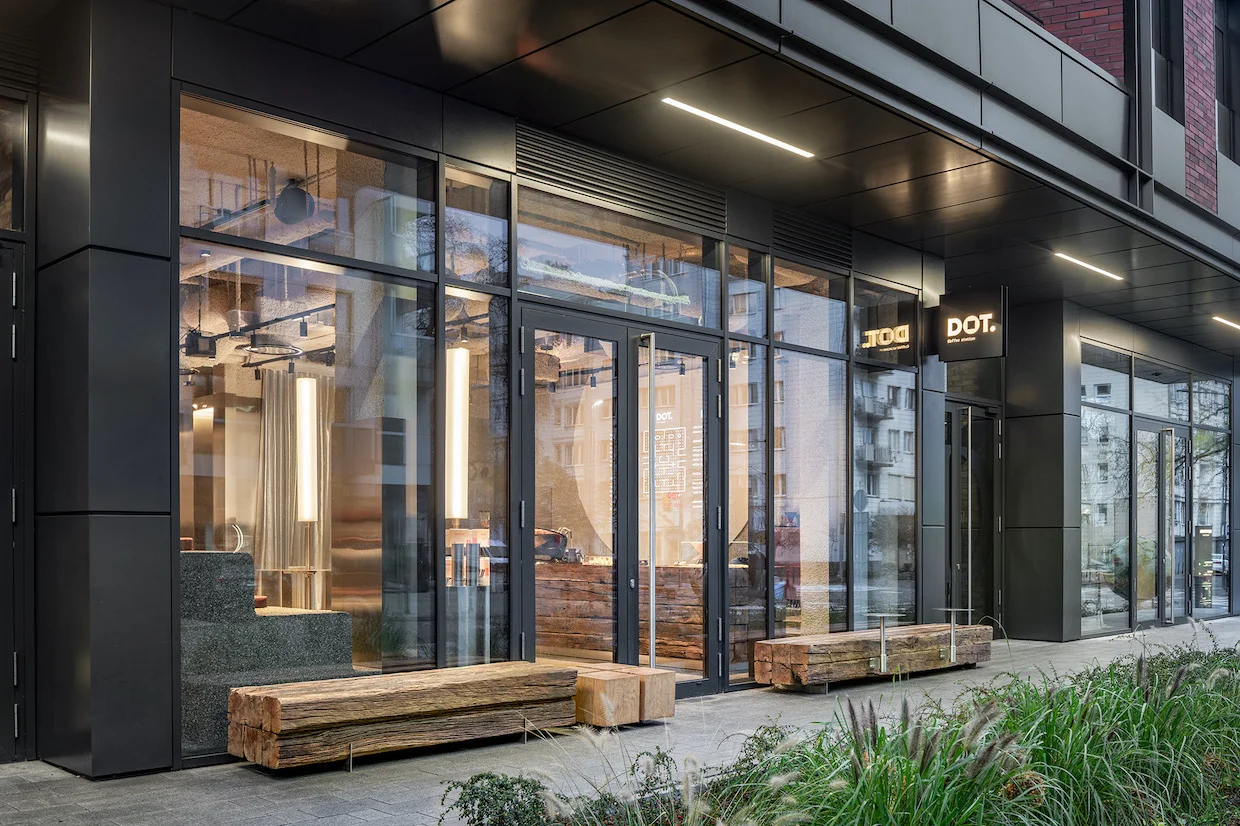
DOT. Coffee & Matcha in Warsaw features a unique urban design that encourages social interaction and extended visits in a repurposed power station.
Welcome to Design Details, an editorial spotlight on standout coffee shop architecture and interior design. If you're involved in a coffee shop project and wish to submit it for consideration, reach out to our editors.
Design Overview: DOT. Coffee & Matcha
Project: DOT. Coffee & Matcha
Location: Warsaw, Poland
Size: 67 square meters (721 square feet)
Completion: 2025
Type: Coffee and matcha shop
Designed by: YOD Group
Design Team: Volodymyr Nepyivoda, Dmytro Bonesko, Nataliia Tymoshenko, and Serhii Prydkyi
Photography by: Ivan Avdieienko
Architectural Context
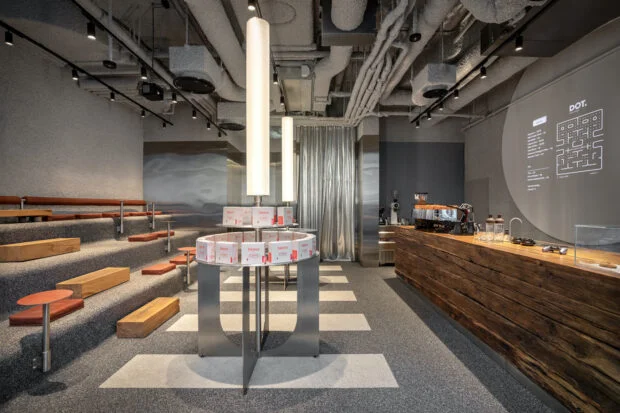
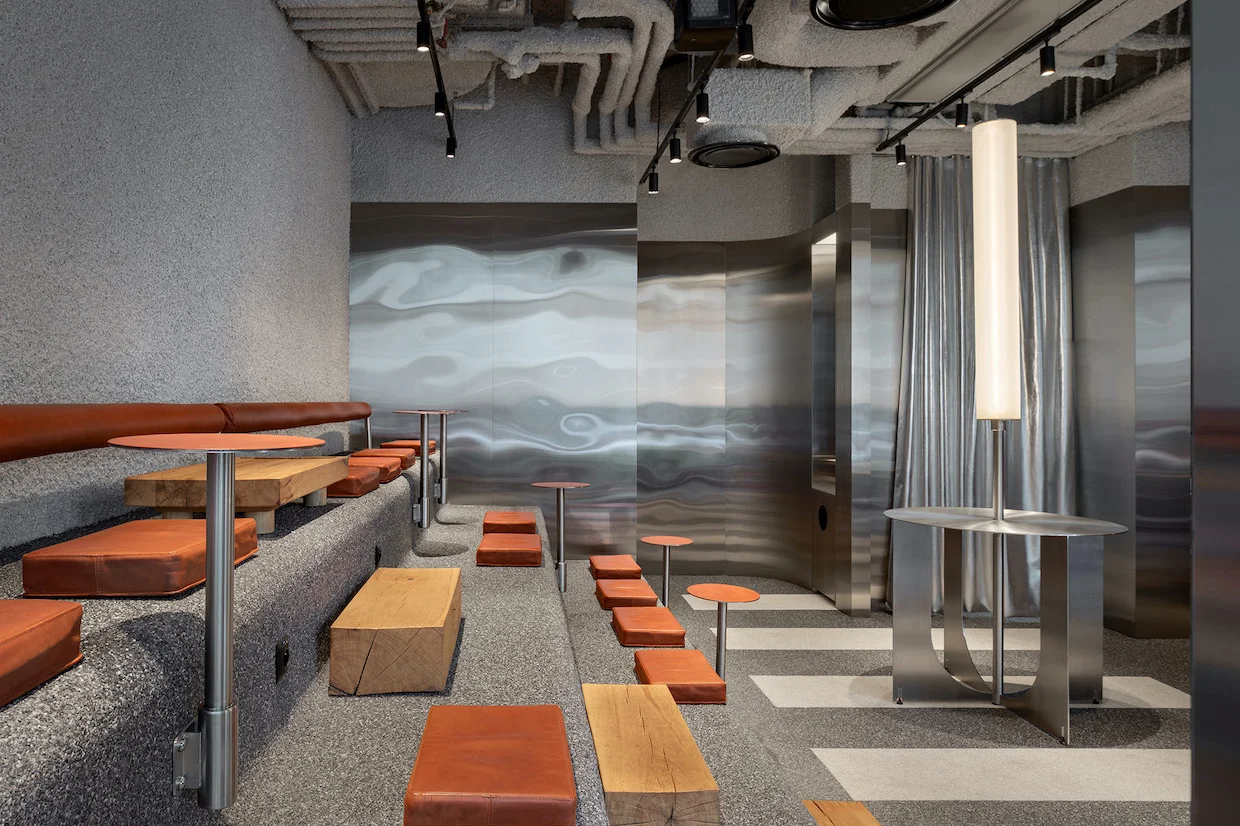
Inside DOT. Coffee & Matcha, a tiered seating arrangement complements a striking reclaimed timber bar—this isn’t just a design choice but a strategic invitation for patrons to linger longer. This café has taken residence in a former power station, which imbues the space with a story that blends historical architecture with contemporary aesthetics. Large windows contribute to the airy feel of the café, while the minimalist design emphasizes social interaction over the rush of takeaway orders. The environment is meticulously curated for customers to not just beverage, but to engage, converse, and relax—a stark contrast to many cafes where the takeaway culture dominates.
The design team at YOD Group articulates that the Warsaw café aims to enhance customer engagement, differing from DOT.'s Kyiv locations which predominantly cater to takeaway customers. Unlike many modern cafes designed merely for efficiency, this space prompts patrons to embrace the experience of coffee and matcha in a communal setting. It’s about utilizing the space to foster social exchanges, creating that vital atmosphere where conversations can flourish. The tiered seating is a clever touch, promoting casual exchanges while allowing customers to observe the hustle and bustle around them without the rigidity often forced by communal tables.
Innovative Materials and Urban Themes
Urban themes feature prominently in the design; the floor mimics asphalt, marked with pedestrian lines in the main area and parking symbols in the restroom. This choice is more than aesthetic; it reflects an understanding of city life and its subtle rhythms. YOD Group describes the minimalist approach as an intentional choice, employing a selective palette of textures and materials, including stone, carpet, stainless steel, and reclaimed wood, to foster an authentic atmosphere. Each material is carefully chosen to avoid overwhelming patrons with excessive detail, aiming instead for a composed space that resonates with the urban vibe.
In these designs, silence can be as loud as the construction. Acoustic foam has been integrated into the ceiling with thoughtful design, managing sound levels in the busy café while also contributing to the minimalist aesthetics. As sounds blend—from coffee machines to light music to chatter—the design ensures that the auditory experience remains pleasant. This is where most cafes fall short. Here, the intuitive design addresses real-world challenges, enhancing customer enjoyment while mitigating chaotic auditory landscapes.
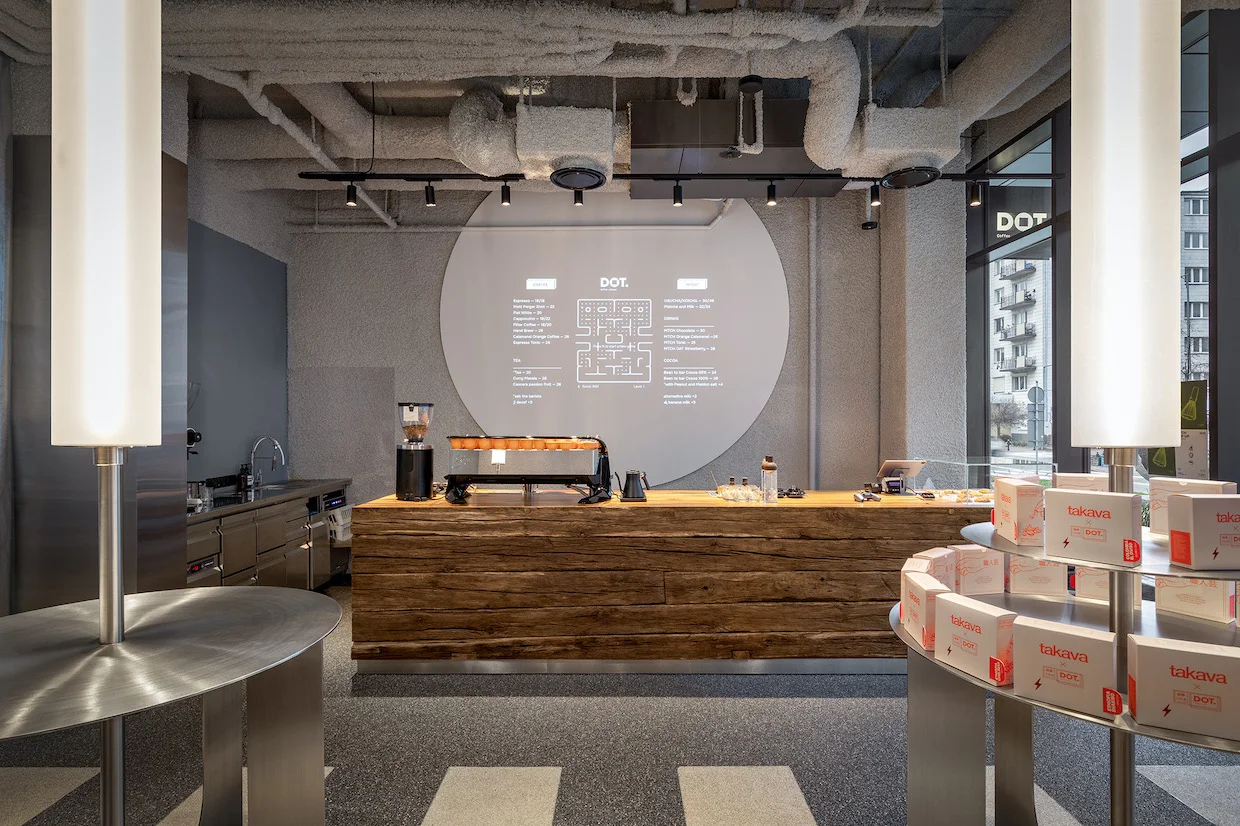
Central to the café’s layout is the massive bar counter crafted from reclaimed wood. This isn't just a design feature; it's a centerpiece that integrates essential elements like the coffee machine, matcha station, and a dessert display. Serving as the primary visual focus, this sculptural element echoes the design language seen throughout all DOT. establishments. It symbolizes the heart of the café—where drinks are crafted, social interactions are had, and experiences are formed. This reinforces a narrative connection between the customer and the café's branding.
Engaging Customer Experience
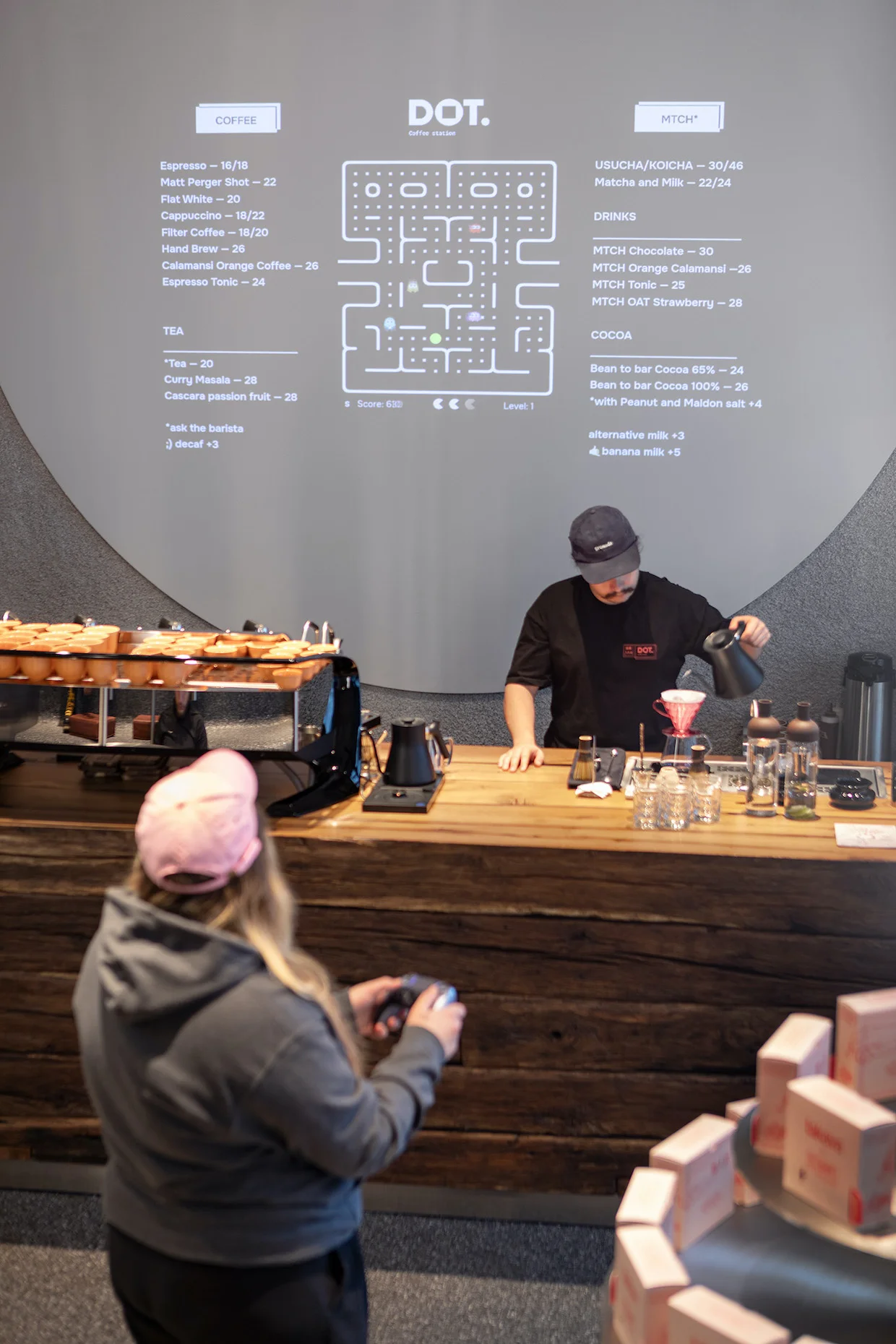
For customer engagement, the menu is projected on the wall behind the bar, enabling patrons to easily decide their orders with a modern twist. There's more—customers can also enjoy a game of Pac-Man while waiting, adding an unexpected playful touch to the customer experience. This gamification plan is borderline genius; it provides entertainment that lightens the experience, and makes waiting in line a more tolerable affair.
“We envisioned an interior that embodies the essence of urban life,” remarks Dmytro Bonesko, YOD Group’s Art Director and Partner. “Against a subdued gray backdrop, with defined areas and markings, we aim to create a haven where people can pause, share experiences, and savor the little joys of coffee, matcha, and social connection.”
Implications for Coffee Shop Trends
What's happening at DOT. Coffee & Matcha is reflective of a broader movement within coffee shop design—where the focus is shifting from transactional to experiential spaces. If you're working in this space, you might want to take notes. The emphasis here is not just on selling coffee, but on creating environments that invite customers to linger and interact. This design approach acknowledges the market's ongoing evolution and the increasing demand for spaces that cater to social engagement.
Expect to see more cafés following this lead, defining themselves not just by their products but by how they make customers feel. The significance of this trend can't be overstated; as communities grow more integrated into the line of work and leisure, these cafés can become hubs of interaction. Designers and café owners alike will need to consider how to create environments that support this shift while still maintaining operational efficiency. After all, there’s no coffee shop experience quite like one where both the environment and the menu encourage connection.


Discussion
Sign in to join the discussion.