Discover a nutritious and easy-to-make Mediterranean power bowl recipe perfect for busy days, packed with plant-based proteins and fresh vegetables.
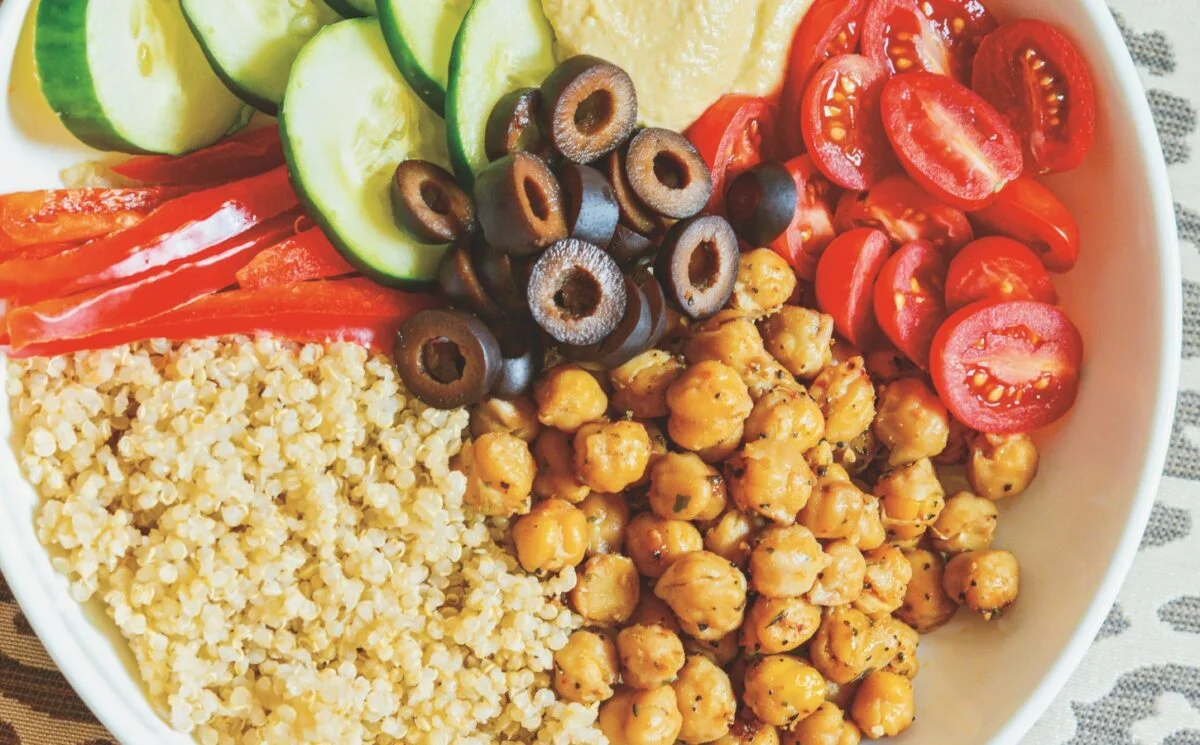
These Mediterranean power bowls are not just another health trend; they're a satisfying and nutritious option that caters to both vegan and gluten-free diets. Each bowl brings together roasted chickpeas, cooked quinoa, crisp vegetables like tomatoes and cucumbers, black olives, and a generous dollop of hummus, all of which combine to deliver a wholesome meal rich in plant protein. This approach not only aligns with dietary preferences but also emphasizes the importance of nutrient-dense ingredients, encouraging a balanced approach to eating.
Components of the Bowl
The recipe centers on the delightful contrast of textures and flavors. The roasted chickpeas provide that satisfying crunch and protein density. This isn't just about taste; the protein is key for sustained energy levels, especially important for vegetarians and vegans. Quinoa forms a hearty base that ensures you feel full and energized, offering a complete amino acid profile that many plant foods lack. Adding fresh produce—juicy tomatoes, refreshing cucumbers, and sweet bell peppers—not only enhances visual appeal but also adds vital nutrients that play various roles in the body's functions. For instance, tomatoes bring antioxidants like lycopene, while cucumbers add hydration, essential for overall wellness. Olives introduce a savory element, working as a flavorful fat source. Hummus ties everything together with its creamy richness, providing both flavor and additional protein. Complement this with a homemade garlic hummus made using chickpeas, olive oil, lemon juice, garlic, cumin, and water, and you have a dish that's appealing and nourishing. This dish may seem simple, but the layered flavors and textures create a satisfying meal experience.
Preparation and Serving Tips
This excellent lunch option comes from Jillian Glenn's cookbook, Easy Low-Cal Vegan Eats, which serves as a perfect meal for hectic work or study days. In a world where we're often pressed for time, a recipe that promises to deliver sustained energy while being quick to prepare is invaluable. For maximum convenience, pack the chickpeas and quinoa together in a microwave-safe container; heat them up when ready to eat, then layer on the crisp veggies and hummus right before diving in. The recipe serves two, but it can easily be adapted for larger groups or meal prep, making it versatile for various eating occasions. Think: easy gatherings, work lunches, or meal prepping for the week ahead.
While some might prefer the culinary adventure of making their own hummus, using store-bought hummus is a great option to reduce prep time significantly while still delivering on taste. This quick workaround allows you to keep things simple, without sacrificing the nutrient benefits or culinary satisfaction.
Ingredient Breakdown
Ingredients
- Olive oil spray
- ½ cup (123 g) canned chickpeas (drained, rinsed, and patted dry)
- Italian seasoning
- Salt and freshly ground black pepper
- ½ cup (93 g) cooked quinoa
- ½ cup (75 g) sliced grape tomatoes
- ½ cup (75 g) sliced and seeded red bell pepper
- ½ cup (62 g) sliced cucumber
- ¼ cup (45 g) pitted black olives
- ¼ cup (62 g) homemade or store-bought hummus
Instructions to Follow
Instructions
- Preheat your oven to 400°F (200°C).
- Line a small baking sheet with parchment or foil, spraying it lightly with olive oil. Add the chickpeas and season with Italian seasoning, salt, and pepper. Roast for 20-25 minutes until golden. This step not only enhances the flavor but also elevates the texture, making them even more satisfying.
- For homemade hummus, blend the extra canned chickpeas with olive oil, lemon juice, garlic, and cumin until creamy. A note here: if too thick, add water gradually until desired consistency is achieved. There's typically leftover hummus, which can be refrigerated for a few days—don’t overlook this bonus!
- Once the chickpeas finish roasting, assemble your bowls by layering quinoa, vegetables, olives, and the roasted chickpeas. Top with hummus and enjoy. The layering isn't arbitrary; it ensures that each bite tastes well-balanced.
- If packing for lunch, keep the chickpeas and quinoa separate until ready to eat, allowing for a fresh meal at your convenience.
Implications and Future Outlook
As meals like these gain traction, we see a noticeable shift in consumer preferences. Restaurants and meal prep services are increasingly adopting similar wholesome, plant-based options to appeal to a broader clientele seeking healthier eating solutions. This trend reflects a larger movement towards plant-centric diets, and many food experts agree that diversifying protein sources is essential for sustainable eating practices. If you’re working in this space, keeping an eye on evolving food trends is critical. Meals that prioritize flavor, nutrition, and convenience will likely continue to rise in popularity.
In exploring alternatives that cater to dietary requirements, the Mediterranean power bowl is more than a fleeting trend; it symbolizes a shift towards an inclusive, health-oriented approach in both home cooking and dining out. And this is the part most people overlook: while taste is vital, the nutritional quality these bowls provide is increasingly essential as more people become aware of their long-term health impacts.
For further culinary adventures, you might want to explore Creamy Romesco Chickpeas.
Recipe adaptation and reprinted with permission from Jillian Glenn’s Easy Low-Cal Vegan Eats, Page Street Publishing Co. 2021. Photo credits: Somer Handley & Jillian Glenn.

Discussion
Sign in to join the discussion.