Delicious Vegan Egyptian Kebabs: A Flavorful Plant-Based Delight
Published Sep 26, 2026Reads 900Desk Noha Elbadry-Cloud
Enjoy hearty vegan Egyptian kebabs made with lentils and chickpeas, perfect for gatherings and adding a flavorful twist to your plant-based meals.
Indulging in Vegan Egyptian Kebabs
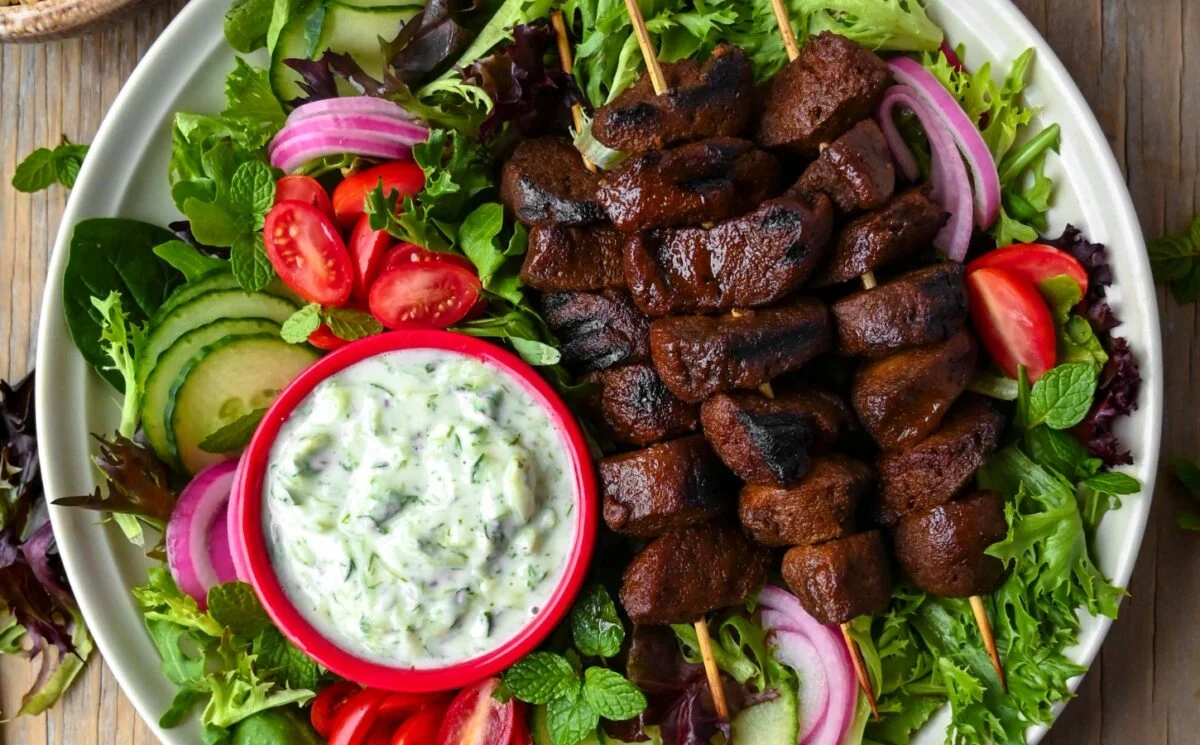
If you're searching for a hearty yet plant-based option that doesn't compromise on flavor, these Egyptian-style kebab skewers could be just what you need. Crafted from a mixture of lentils, chickpeas, and vital wheat gluten, they form the backbone of this vegan rendition. Each bite is infused with a delightful smoky essence, thanks to a blend of spices and seasonings including harissa, soy sauce, and smoked paprika. The thoughtful combination of these ingredients not only creates an explosion of flavor but also provides a satisfying texture akin to traditional kebabs, making them an excellent alternative.
This recipe hails from Noha Elbadry-Cloud's *The Vegan Middle Eastern Cookbook*, showcasing an elegant approach to Middle Eastern cuisine that is both innovative and accessible. For many, Middle Eastern cooking evokes images of aromatic spices and vibrant colors, but it can often seem daunting. Elbadry-Cloud breaks that mold. Her work is an invitation to those unfamiliar with these flavors, emphasizing that veganism can encompass a world of tastes and traditions without the reliance on animal products.
To prepare these seitan-inspired kebabs, you'll start by simmering the seitan pieces to enhance their texture and flavor absorption. This step is vital because it allows the proteins to become tender, providing a better base for the spices. Next, marinating them in a rich mix of olive oil, soy sauce, pomegranate molasses, and other aromatic additions, such as garlic and coriander, brings depth to the dish. After a few hours in the refrigerator for the flavors to meld, the kebabs are ready to be skewered and grilled. This process not only achieves that enviable crispness but also evokes the charred flavor typically associated with grilled kebabs.
Accompaniments to Elevate Your Meal
Pairing these kebabs with a refreshing salatet zabadi makes for an exciting balance of flavors. This mixture of vegan yogurt, cucumber, dill, mint, and a hint of lemon provides a cooling contrast to the robust kebabs. The bright, tangy elements in the salad help cut through the heavier flavors, making each bite an experience in itself. Additionally, serving them alongside fluffy quinoa, a vibrant salad, and some tangy pickled red onions creates a well-rounded meal. This dish isn't just a treat for the vegan palate; it's also perfect for dinner gatherings or sharing among friends. With a yield of four servings, it’s a fantastic option for cozy get-togethers or delightful weeknight meals.
And what about new ideas? If you're eager to explore more, check out this [Spicy Courgette Kebabs With Apricot Salsa](https://plantbasednews.org/veganrecipes/lunch/spicy-courgette-kebabs/) that complements the flavors of Middle Eastern cuisine beautifully. This offers not only variety but also a chance to experiment with different textures and ingredients often found in vegan cooking.
If you're intrigued, don't miss the chance to dive deep into *The Vegan Middle Eastern Cookbook* by Noha Elbadry-Cloud, available on [Amazon](https://www.amazon.com/Vegan-Middle-Eastern-Cookbook-Irresistible/dp/1645678865). As you embark on this culinary journey, you'll discover that vegan cooking can be both satisfying and full of intense flavors, challenging the stereotype that it lacks excitement.
Future Outlook of Plant-Based Cuisine
What does the increasing popularity of vegan cuisine signify in the broader culinary world? As more consumers shift toward healthier eating, the demand for plant-based options is unlikely to diminish. This trend highlights not only a growing health consciousness but also a shift in cultural perceptions of food. It's fascinating how recipes that once catered strictly to niche audiences are now becoming mainstream—especially as they cater to ethical, environmental, and health factors that are more prominent in dining conversations.
Here’s the thing: plant-based dishes are not just for vegans; they can appeal broadly. As dining experiences evolve, the expectation of vegan meals matching the flavor and enjoyment of traditional dishes is becoming the baseline. Chefs and home cooks alike are pushed to create meals that are not only wholesome but also indulgent, allowing everyone to find pleasure in the food they eat.
What does this mean for you? It’s a cue to incorporate more such recipes in your repertoire. Whether you're preparing for a casual family dinner or looking to impress at a gathering, the flexibility found in plant-based cooking allows you to experiment with various ingredients and techniques. This is what makes the future of plant-based cooking so exciting—it invites creativity and experimentation.
So why not give this recipe a try? If you're skeptical about vegan meals or think they can't satisfy your palate, you might just find this dish becomes a staple in your meal planning. After all, balancing flavor with health is a journey worth embarking on.


Discussion
Sign in to join the discussion.