Discover the intricate design and community-centric features of Mumbai's Project Hum, a café blending rustic aesthetics with modern functionality.
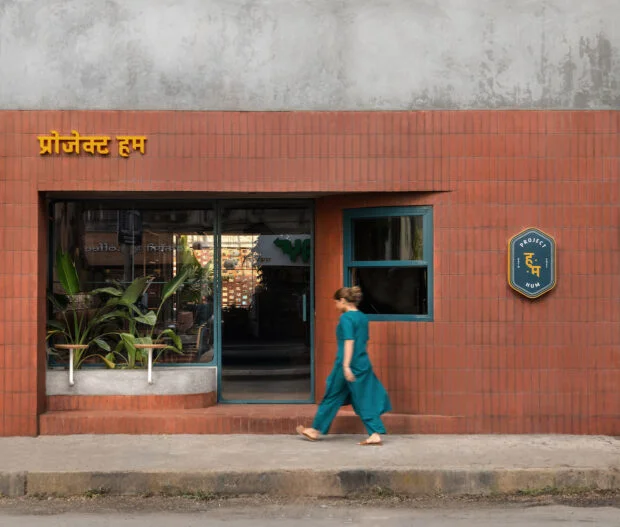
Project Hum: A Unique Café Experience
Project: Project Hum
Location: Mumbai, India
Area: 1,350 square feet
Completion: 2025
Clients: Raghav Simha, Jatin Talreja, Pragun Bajaj
Design by: Kaviar:collaborative
Principal Architects: Kasturi Wagh and Vineet Hingorani
Design Team: Prachi Admane, Unnati Davda
Photography by: Saurabh Suryan
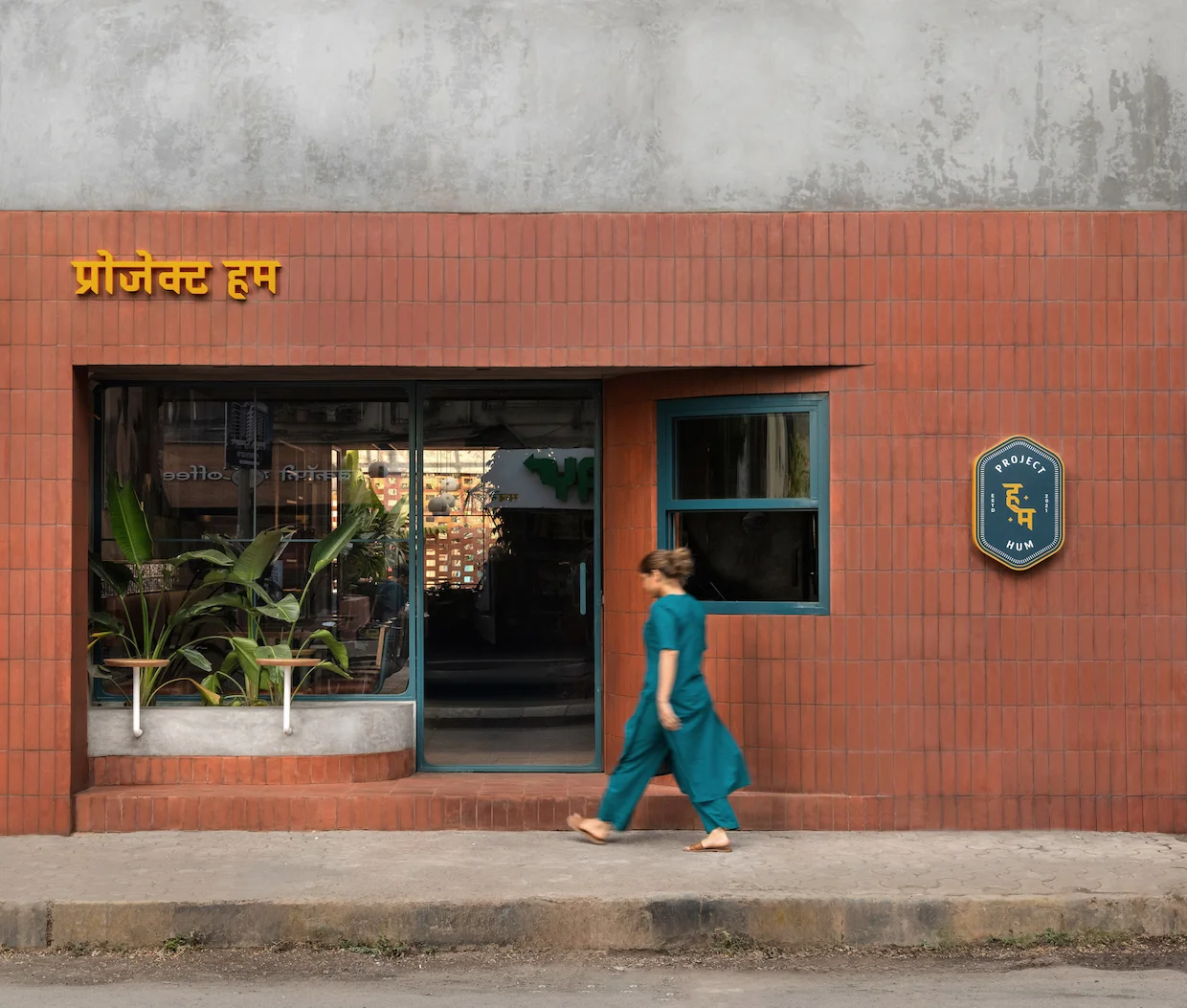
At Project Hum, visitors are greeted by a terracotta-lined walkway that guides them from a welcoming veranda entrance into a vibrant space. The design features an open kitchen and a communal work surface, leading to a sun-drenched backyard. This is Kaviar:collaborative's second café location, embodying a farm-to-table ethos and integrating rustic materials that create an earthy and inviting atmosphere. In an era when café design often leans toward sterile minimalism, Project Hum’s authenticity stands out.
Architectural Intent and Design Philosophy
The architects of Project Hum, Kasturi Wagh and Vineet Hingorani, emphasize achieving harmony in their design approach. They’ve blended contemporary forms with local textures effectively. As they put it, their design journey reflects a narrative from farm to plate. Using natural materials like terracotta bricks alongside lime and concrete plaster, they bring warmth and organic character to the café. This conscious choice of materials isn't just aesthetic; it also aligns with a growing consumer demand for sustainability in food and design.
Designing a café is not merely about creating a place to grab coffee. It’s about crafting an experience. Kaviar:collaborative has taken this to heart. They’ve designed spaces that invite engagement and social interaction, reflecting a keen cultural understanding. The café speaks to local aesthetics while pushing boundaries, a reflection of Mumbai's vibrant culture. At first glance, it’s easy to see how such a venue could thrive in an urban setting where community and connectivity are often lost amid the bustling city.

Flow and Functionality
Designed on a narrow lot, Project Hum connects the street with its backyard, showcasing strategic planning. Efficiency is a priority in this design, as the architects have meticulously organized guest flow and service routes to reduce congestion while enhancing the overall customer experience. Creating order amid chaos is a tall order in busy urban centers, but with thoughtful architectural choices, it’s a feasible one. Every element guides visitors naturally through different areas.
The continuous terracotta flooring acts as a visual axis, linking the diverse surfaces and enhancing the spatial experience. Visitors encounter environments catering to different occasions—whether it's a quick coffee run at the takeaway window or leisurely seating near the open kitchen, where the aroma of fresh preparations fills the air. In a society increasingly gravitating towards experiences over mere products, that tactile connection to food preparation can deepen customer loyalty.
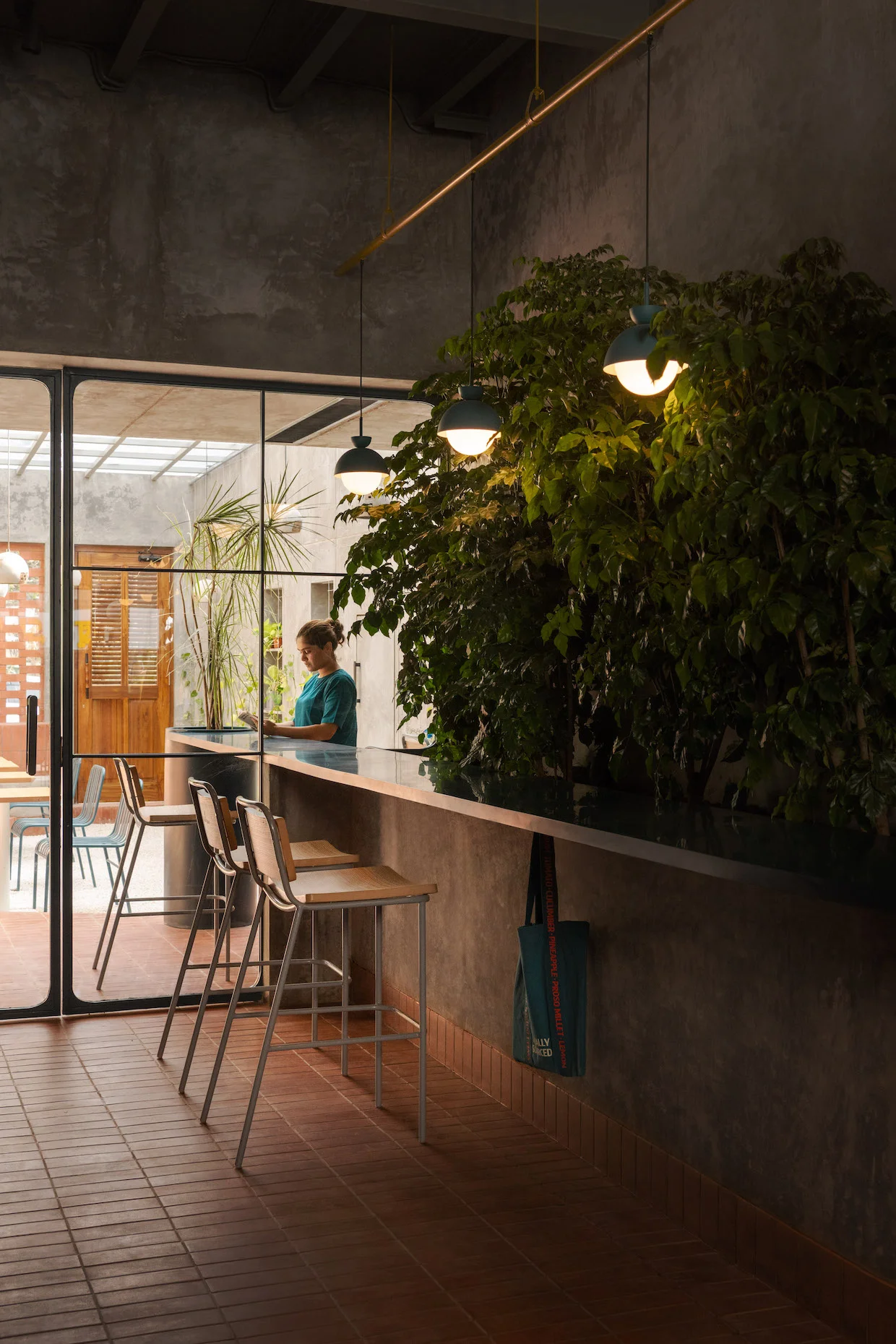
A standout feature, the "Work from Hum" community table, promotes a sense of collaboration and interaction. Nestled against a lush green wall, it transforms the space into a social hub. This feature is particularly relevant today, as remote work continues to shape lifestyle choices. People now seek spaces that offer more than just coffee; they want a community. The journey culminates in the bright backyard, where flourishing plants and ample sunlight create a tranquil dining experience that feels almost like an escape from the bustling city outside.
A Hub for Community Engagement
The backyard's amphitheater serves multiple functions, providing seating that adapts to gatherings, workshops, and community events. This is more than just an architectural detail; it fosters a community spirit by enabling various forms of interaction. The design embodies the ideas of connection and growth, inviting individuals to not only visit but also to engage in meaningful exchanges within the space. This transformation from a café to a communal hub showcases a shift in how we perceive social spaces.
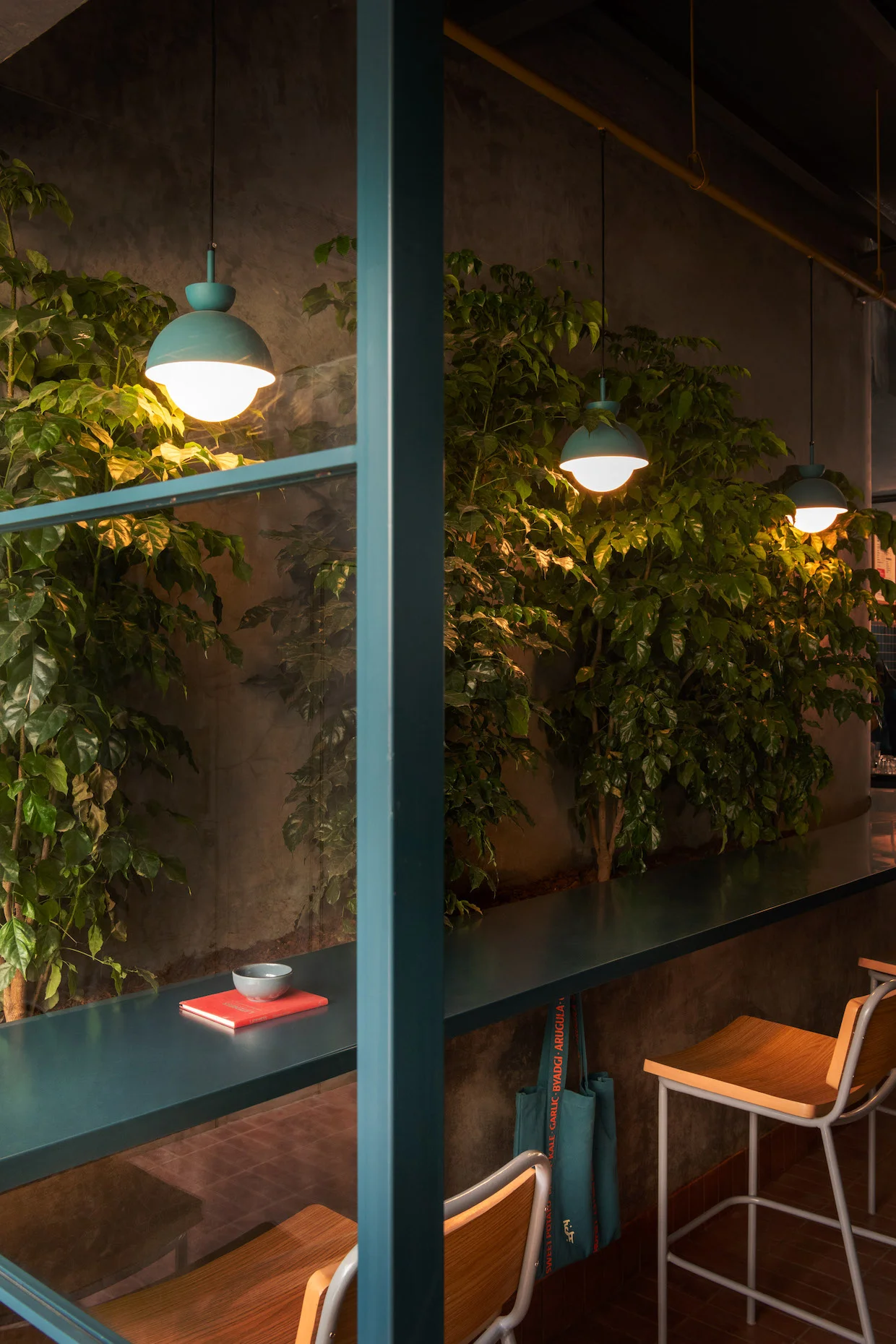
Project Hum is more than just a café; it's a manifestation of community values. It represents a thoughtful design that encourages interaction and creative exchanges. If you’re working in this space or involved in community-centric projects, this design sets a precedent on how a public space can weave together culinary, artistic, and social threads into something greater than the sum of its parts. The implications for future café designs could be significant; this project hints at a yearning for places that nourish not just the body, but also the community itself.
The Future of Community-Centric Spaces
As urban living continues to evolve, the need for spaces where interaction and community engagement flourish becomes more pronounced. Project Hum is a promising example of how thoughtful design can transform a simple café into a vibrant community hub. This isn't just another spot for locals to enjoy a latte. The architects clearly understand the trend toward sustainable community-focused environments.
What's significant here is that Project Hum’s approach may inspire similar ventures in other urban areas. The combination of functionality and community engagement could well be the blueprint for future developments in café architecture. Designs that foster human connection aren’t just trendy; they resonate deeply with an audience seeking authenticity. And remember, it's not just about coffee. It's about creating an environment where everyone feels at home.


Discussion
Sign in to join the discussion.