Elevate Your Cooking: Discover the Flavors of Homemade Refried Mayocoba Beans
Published Sep 16, 2026Reads 389Desk [email protected] (Julie Kinnaird)
Transform the way you view refried beans with this flavorful Mayocoba recipe, featuring smoky spices and delicious toppings for a standout dish.
Refried beans—those creamy staples of many Mexican and Tex-Mex dishes—have been given a bad reputation over the years. Most of what you'll find in the grocery store is canned, often resting in a pool of overly starchy liquid, loaded with sodium, and offering little in terms of flavor complexity. There's a common misconception surrounding their name; when people hear "refried," they assume it means the beans have been fried twice. However, that's not the case. In fact, many home cooks overlook how simple and rewarding it is to make refried beans from scratch.
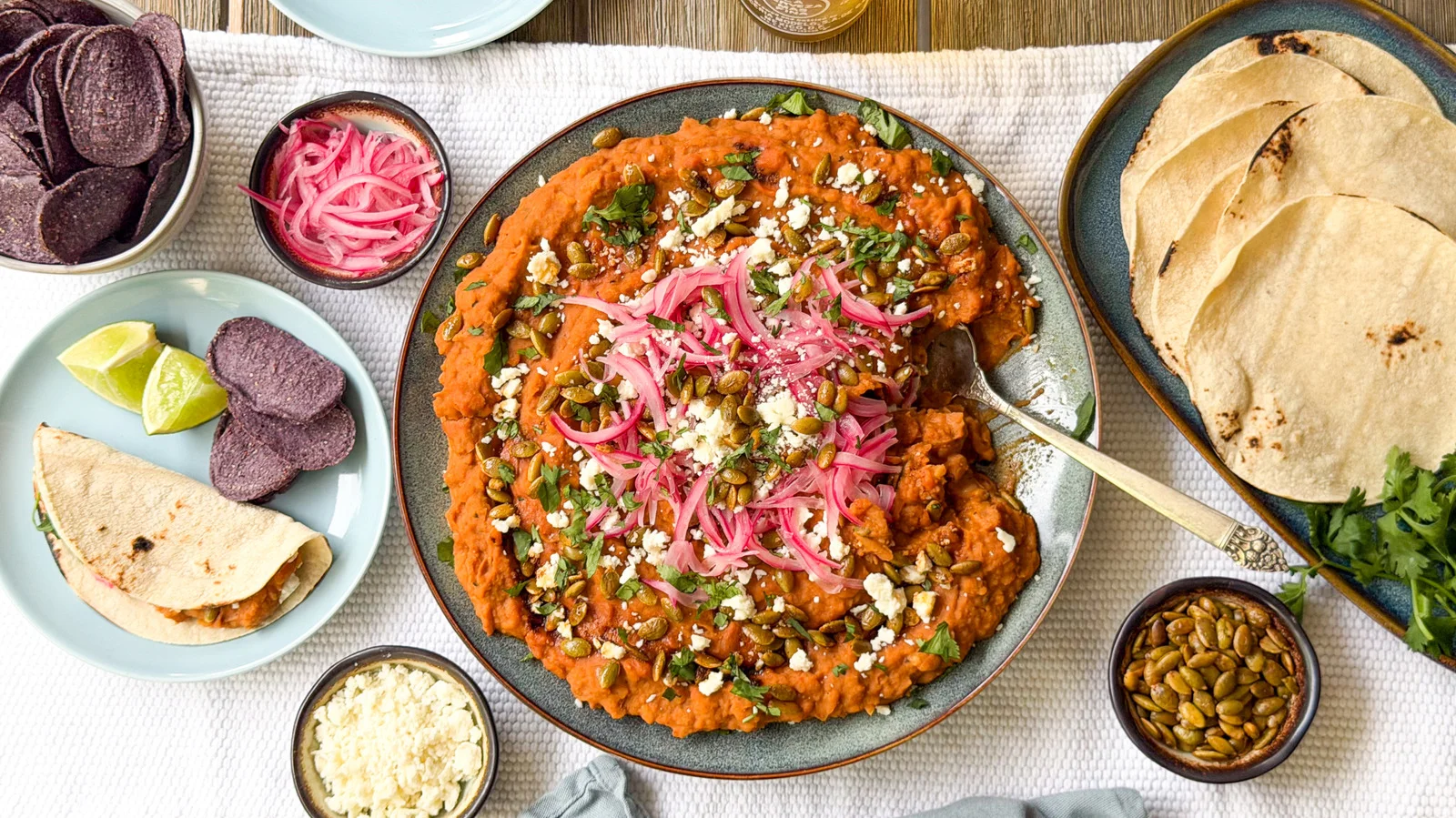
If you’re in the culinary space, you should appreciate that the right beans make all the difference. Enter the Mayocoba bean—a lesser-known variety that is sure to elevate your refried bean game. These Peruvian beans transform into a creamy texture upon cooking, providing the perfect base for a rich explosion of flavors, including smoky chiles and charred vegetables, swirled with brown butter and miso. This recipe, featuring my take on refried Mayocoba beans, focuses on not only the cooking method, which is more straightforward than one might think, but also introduces a delightful symphony of toppings—think quick-pickled red onions and crunchy toasted pepitas.
Here’s the thing: preparing these refried beans doesn’t just involve frying them with some oil. Instead, it begins with a deep layer of flavor, starting from roasting an entire head of garlic along with an onion and an orange. This technique imbues the dish with an enticing smokiness that permeates the final product. The final seasoning comes from an emulsion made from nutty brown butter combined with white miso and smoked paprika—these are unique elements that completely redefine the bean experience. Once you try this, you might find yourself viewing refried beans in a whole new light.
To sum it up, if you're ready to step away from the mundane and into something extraordinary, my recipe for refried Mayocoba beans will not disappoint. It’s a culinary experience that invites home cooks to bring a restaurant-level vibe into their kitchens. You'll find yourself not just preparing a side dish, but creating a dish that can easily stand as the star of your meal.
Step 7: Achieving That Caramelized Flavor
In your Dutch oven, you’ll want to lay down the onion halves, trimmed garlic, and orange halves, all cut-side-down. Crank the heat up to high. This initial step is crucial. You’re aiming for that deep caramelization — not just for aesthetics, but for layers of flavor. After about five minutes, you should see them char beautifully. When the oranges look that way, it's time to set them aside.
Step 8: Bringing Everything Together
Now, it’s time to add some heft. Into the pot goes your pre-soaked Mayocoba beans, fresh broth, apple cider vinegar, dried chiles, and bay leaves. This combination is where tangible flavor starts to mingle and transform. The beans absorb everything, so ensure this mix is good and seasoned. This step marks the real transition from simple ingredients to the heart of your dish.
Step 9: Adding Citrus Punch
Grab those caramelized oranges you set aside earlier and squeeze the juice right into the pot. Don’t worry about the peels; toss them aside. This splash of acidity enhances the overall taste profile of the beans, lending a brightness that cuts through the richness.
Step 10: Heat It Up
Turn the heat to medium-high and get the beans bubbling. You’re looking for that initial boil to activate all those flavors working together. When the heat is just right, everything will meld, creating a hearty foundation for your dish.
Step 11: Slow and Steady Wins the Race
Once the pot is at a rolling boil, cover it and reduce the heat to low. Let it simmer away for about two hours. This patience pays off — the beans will soften beautifully during this time, allowing spices to infuse them fully.
Step 12: Prepping the Pepitas
While the beans work their magic, turn your attention to the pepitas. In a small skillet, combine these pumpkin seeds with avocado oil, chile powder, smoked paprika, and cumin over medium-low heat. This step not only adds crunch but infuses your dish with another layer of flavor.
Step 13: Toasting In Progress
Stir this mixture for about two minutes or so. You want the spices to become fragrant and the pepitas to begin popping. This is the moment where sizzling magic happens, enhancing the overall texture and taste of your dish.
Step 14: Flavor Finishing Touches
Transfer those toasted pepitas to a shallow bowl and sprinkle them with salt. It's not just for seasoning; the contrast of crispy seeds provides a fantastic texture that rounds out the beans' creaminess. Reserve any leftover oil in the pan for next steps.
Step 15: Cleanup Before Blending
With the beans tender, it’s time to remove the garlic head and chiles, setting them aside. Discard the onion and bay leaves. This is important to ensure your final product is smooth and delicious without any unwanted chunks.
Step 16: The Roasted Garlic Blitz
Once the garlic has cooled enough to touch, squeeze those softened cloves into a blender. Add one cup of the cooking broth alongside the softened chiles. Blending these together creates a rich, flavor-packed component that’s essential in elevating your refried beans from ordinary to extraordinary.
Final Thoughts: Elevating Flavor with Technique
What stands out as you wrap up this recipe is the meticulous attention to flavor building. Every step taken—whether it’s blending the chiles and garlic to create a smooth emulsion or browning the butter to deepen its nutty profile—is a testament to the importance of technique in cooking. This isn’t just about following a list of instructions; it’s about transforming simple ingredients into a layered dish that bursts with flavor.
For anyone involved in the culinary arts, especially those interested in vegetarian or bean-based dishes, these techniques might seem meticulous but yield significant rewards. The interplay between the miso paste, smoked paprika, and the subtle flavor shifts created by browning butter is a lesson in how careful cooking can elevate everyday beans into a standout dish.
So, if you’re experimenting with this recipe or similar ones, keep this in mind: each step may seem small, but together they create something much greater than their individual components. Cooking doesn't happen in a vacuum; it’s a creative process where each decision informs the final product. By embracing these steps, you're not just following a recipe—you're cultivating a deeper understanding of flavor dynamics. This is the heart of great cooking.


Discussion
Sign in to join the discussion.