Noha Elbadry's vegan basbousa offers a delightful twist on the classic semolina cake, perfect for gatherings and celebrations.
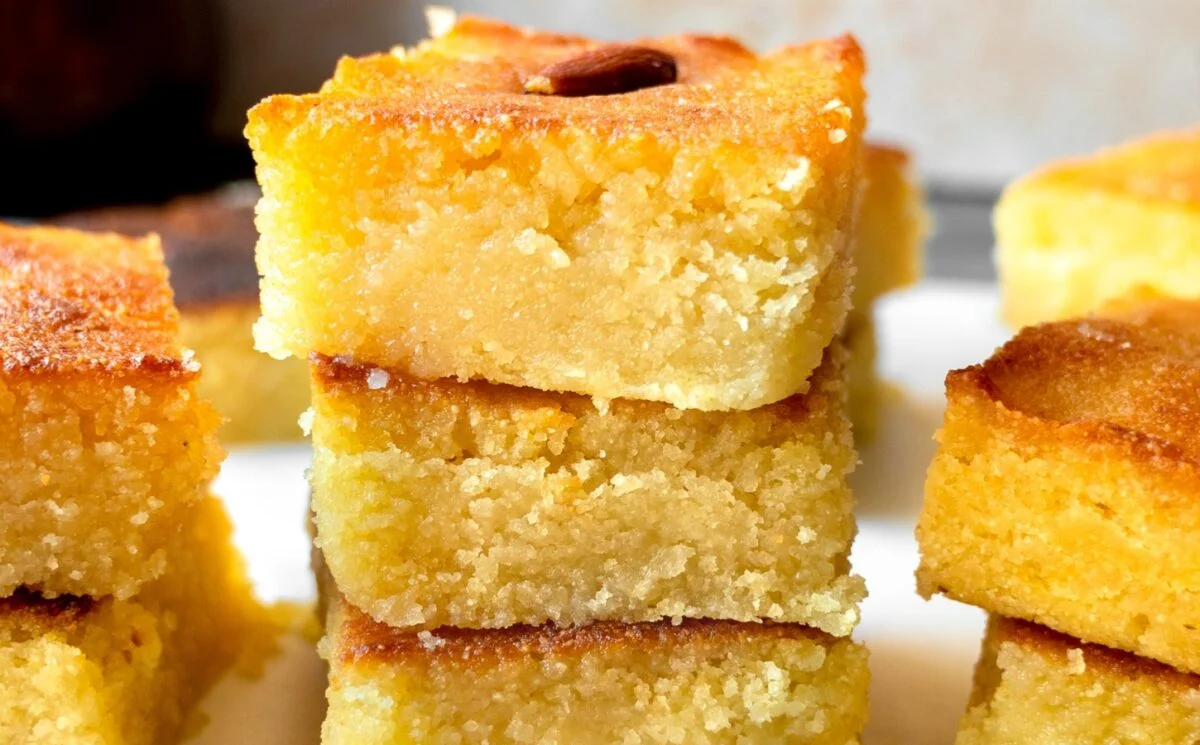
Noha Elbadry's The Vegan Middle Eastern Cookbook presents a delightful twist on a classic dessert with her vegan version of basbousa, a semolina cake that has its roots in Egypt and is beloved throughout the Middle East. This dessert isn't just a treat; it's a piece of cultural heritage. It's enjoyed during festivities and family gatherings, and even in everyday life, contributing to its significance across the region. The name itself is derived from an Arabic term associated with the process of incorporating butter into semolina, a technique that is key in achieving the cake’s characteristic crumbly texture.
The Ingredients Matter
This basbousa recipe calls for medium-grind semolina, vegan butter, coconut flour, and both vegan sour cream and yogurt to create a rich depth of flavor. These ingredients not only ensure that the cake retains its rich, traditional taste but also accommodate those pursuing plant-based diets. Sugar and baking powder provide sweetness and leavening, while plant milk helps bind it all together. Each piece is topped with a whole almond before baking, adding both texture and a touch of elegance to the final presentation. The crowning touch comes when the warm cake absorbs a fragrant syrup infused with lemon juice, rose water, and blossom water, elevating it to a truly aromatic delight. This infusion steps away from traditional syrup, enhancing the traditional profile with floral notes that can excite both the palate and the senses.
Sharing the Sweetness
Once baked, the basbousa is best enjoyed at room temperature. Its golden edges give way to a tender crumb, and the syrup that seeps through each square adds a captivating burst of flavor. The texture of the crumb contrasts beautifully with the syrupy sweetness, offering a multi-layered experience in every bite. The recipe yields enough—20 to 24 squares—to make it perfect for gatherings, celebrations, or as part of a broader Middle Eastern dessert assortment. There's something to be said for a dessert that not only satisfies the sweet tooth but also brings people together; sharing basbousa can be a social experience, a way to connect over shared heritage and flavors.
Cultural Significance and Modern Adaptation
Desserts like basbousa are often reflective of cultural significance. In the Middle East, food is more than sustenance; it's narrative, a reflection of community bonds, and a method for cultural transmission. Basbousa typically appears during Eid celebrations, weddings, and other milestones, becoming almost emblematic of joy and festivity. Noha Elbadry's vegan reinterpretation does more than offer a dessert for those avoiding animal products; it opens the door to inclusivity, allowing a broader audience to enjoy a beloved classic without sacrificing their dietary choices. This shift is indicative of a greater trend in modern gastronomy where traditional recipes are being reimagined to foster inclusivity.
Implications for Food Culture
The move toward veganizing traditional recipes signals a larger shift in food culture that reflects changing consumer preferences. If you're working in this space, embracing plant-based adaptations could provide access to a new demographic interested in both authenticity and health consciousness. This isn't just about replicating dishes; it's about preserving cultural identity while also allowing for personal choices regarding lifestyle. The ability to enjoy a dish that retains its essential character while also being more accessible is a significant advancement. It's a balancing act, honoring tradition while also resonating with contemporary values around sustainability and health.
(And this is the part most people overlook) The future of recipes like Elbadry's basbousa may well lie in the ability to adapt, merging ancient practices with modern preferences, thereby capturing the interest of diverse audiences. The implications extend beyond just dessert; they reflect a broader movement within the culinary world that values both tradition and innovation. This embrace of diverse dietary needs can lead to thriving culinary exchanges and the preservation of cultural heritage in an increasingly globalized food market.
Reprinted with permission from The Vegan Middle Eastern Cookbook by Noha Elbadry-Cloud. Page Street Publishing Co. 2023. Photo credit: Noha Elbadry-Cloud.


Discussion
Sign in to join the discussion.